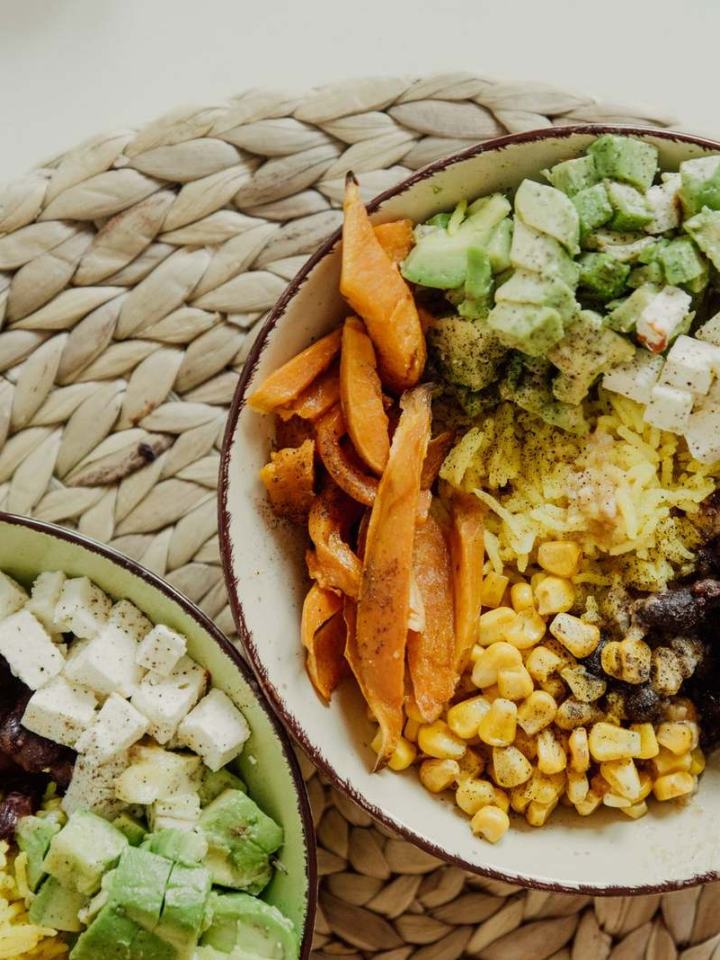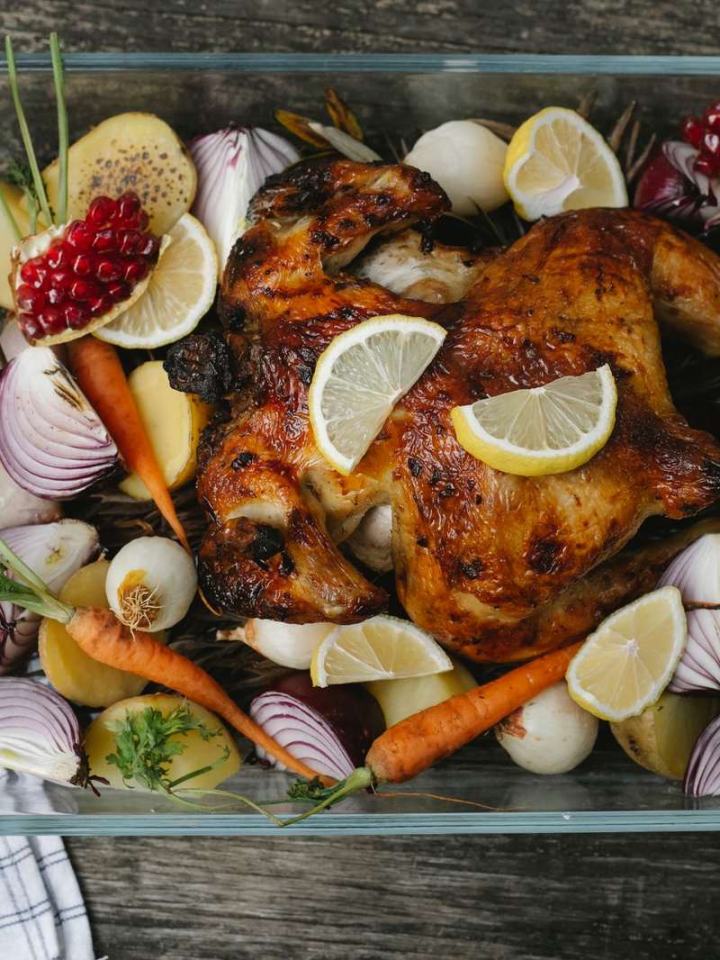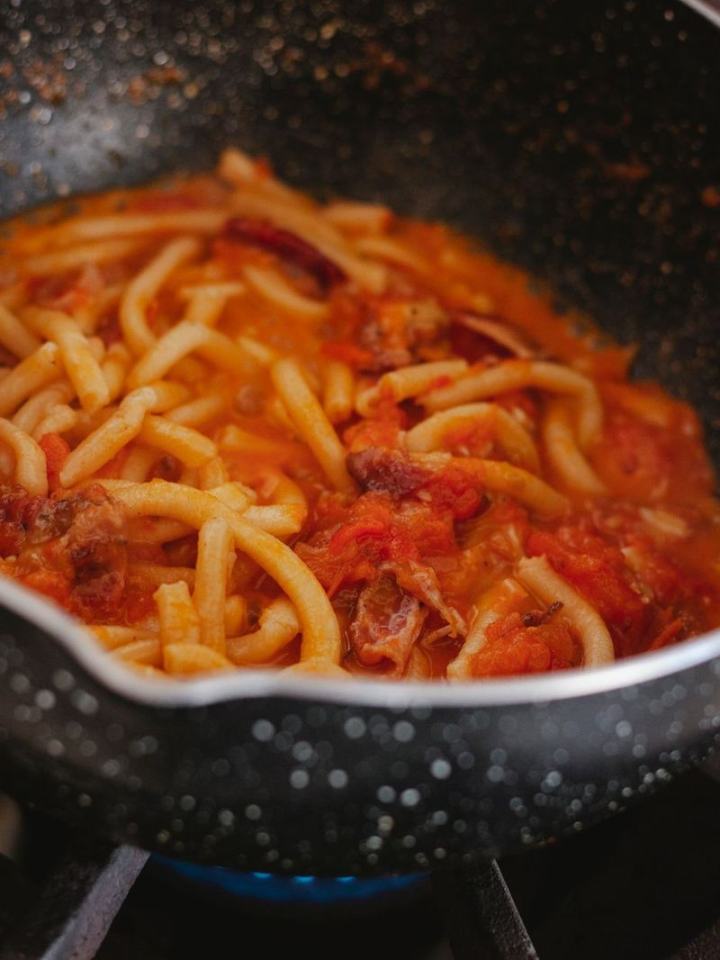

Dinner gets stressful when you have no plan and a tired brain. The best home cooking recipes are simple, repeatable and cooked to a safe temperature, so start with a few reliable methods and a thermometer.
| Food | Minimum internal temperature |
|---|---|
| Steaks, chops and roasts (beef, pork, veal, lamb) | 145°F (62.8°C), then rest at least 3 minutes |
| Ground meats (beef, pork, veal, lamb) | 160°F (71.1°C) |
| All poultry (whole birds, parts, ground poultry, stuffing) | 165°F (73.9°C) |
| Fish and shellfish | 145°F (62.8°C) |
| Egg dishes (such as frittata, quiche) | 160°F (71°C) |
| Casseroles | 165°F (73.9°C) |
These figures come from the University of Nebraska–Lincoln safe cooking temperatures page, reviewed and updated in 2024, and the University of Maine Extension temperature guide. Guidance can change, so check the source before you rely on the numbers.
What makes good home cooking recipes work?
A good recipe for a home kitchen is one you can finish on a busy evening without special gear. It uses ingredients you already buy, steps you can follow after reading once, and a result the whole table will eat. That is the real test of a reliable recipe.
A few habits matter more than any single dish:
- Read the whole recipe before you turn on the heat, so nothing surprises you halfway through.
- Chop, measure and gather everything first, because cooking moves faster than prepping.
- Taste as you go and adjust salt, acid and heat in small steps.
- Check doneness with a thermometer rather than guessing from looks.
This guide is independent and educational. It points you to cooking methods and food safety basics, and the linked guides below go deeper on each type of meal.
Build a weekly rhythm of everyday meals
Most households do better with a loose pattern than a rigid menu. Choose a handful of anchor meals you enjoy, repeat them often, and change the sides or sauces to keep things fresh.
If you want a bank of dependable ideas, start with these easy weeknight dinner recipes, which keep prep short and cleanup light. When the clock is the biggest problem, these 30 minute meals show how far a short ingredient list and a hot pan can go.
A simple weekly shape might look like this:
- A fast night built around a quick skillet or pasta dish.
- A batch-cooking night that leaves extra for lunches.
- A leftovers night that turns yesterday’s food into something new.
- A meatless night centered on beans, eggs, grains or vegetables.
Planning ahead is easier when you start small, and meal prep for beginners explains how to begin with a single batch instead of a fridge full of containers. Even one prepped base ingredient, such as cooked grains or washed greens, takes pressure off the busiest evenings.
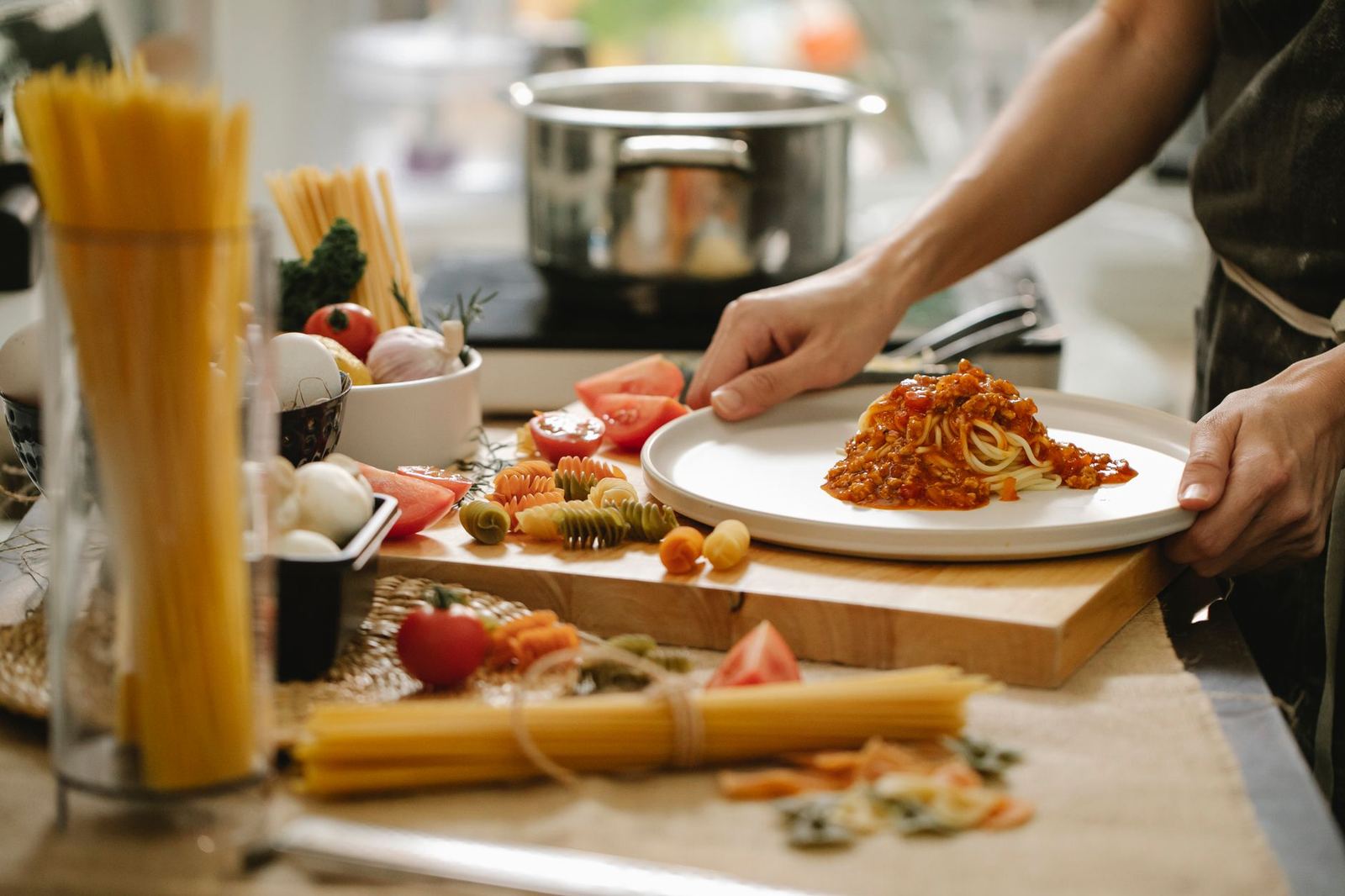
Pick a cooking method that fits your evening
Instead of hunting for a new recipe every night, choose a method that matches your energy. Once you know how a method works, you can swap proteins, vegetables and seasonings without starting over.
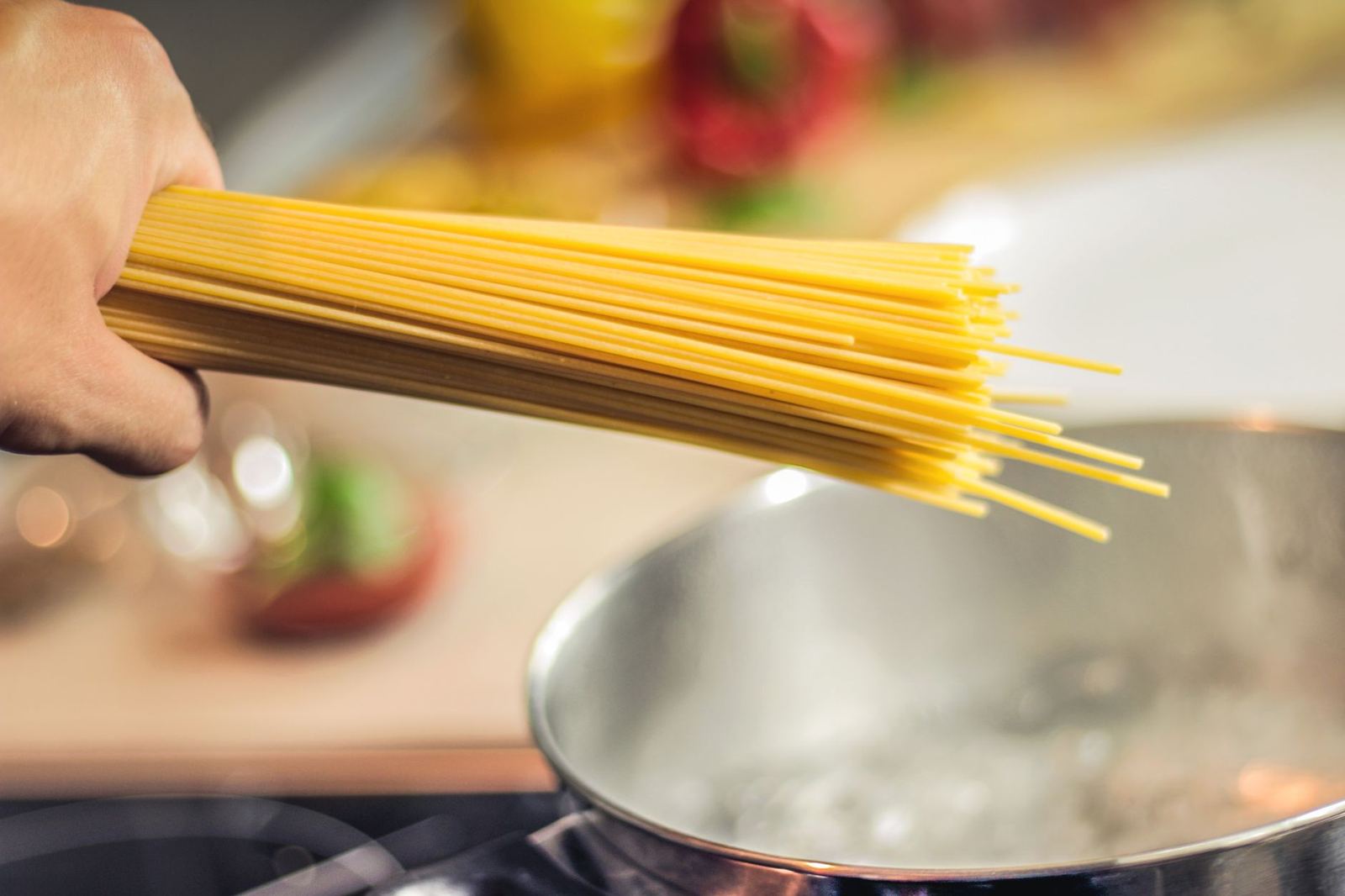
- A single pot keeps the sink empty, and these one pot pasta recipes cook the noodles right in the sauce.
- One hot oven can do most of the work, as the sheet pan dinner recipes show by roasting protein and vegetables side by side.
- Soup stretches a small amount of food into a big meal, and the homemade soup recipes cover broths, purées and hearty bowls.
Each method rewards a little attention to layering flavor. Brown the base first, add aromatics, then finish with something fresh such as herbs, lemon or a spoonful of yogurt.
Cook proteins and meatless dinners with confidence
Lean cuts can go from juicy to dry in a minute, which is why chicken breast recipes are worth reading for tips on thickness, searing and resting. A thermometer removes the guesswork and protects you from both undercooked and overcooked poultry.
On meatless nights, these vegetarian dinner recipes lean on beans, lentils, tofu, eggs and plenty of vegetables. The trick is a savory flavor base, such as roasted vegetables, toasted spices or a salty, tangy sauce, so the plate feels satisfying.
Whichever route you take, build the plate with a few simple parts:
- A protein or hearty plant-based centerpiece.
- A vegetable cooked in a way you like, roasted, sautéed or raw.
- A starch such as rice, potatoes, bread or pasta.
- A sauce or topping that ties everything together.
Safe internal temperatures for everyday cooking
Looks can mislead. As of the University of Nebraska–Lincoln page reviewed and updated in 2024, color is not a good way to judge whether meat, poultry or fish is safe, and a food thermometer is the only way to know it reached a safe internal temperature.
Pink does not always mean raw, either. Cornell Cooperative Extension notes that uncured red meats, including pork, can stay pink even after they reach a safe internal temperature.
Leftovers need the same care. University of Maine Extension’s March 1, 2024 guide lists leftovers of any type at 165°F (74°C) when you reheat them.
Here is how to take a reading properly:
- Aim for the center of the thickest part of the food, since that area takes the longest to heat.
- Take the reading in 2 – 3 places before you decide the food is done.
- Let the food rest when the chart asks for it, because the temperature keeps working during that time.
- Wash the probe with hot, soapy water afterward.
An instant-read thermometer works best when it is properly calibrated, as the same University of Maine Extension post explains. Calibration takes a minute and keeps every reading honest.
Breakfast, baking and where to go next
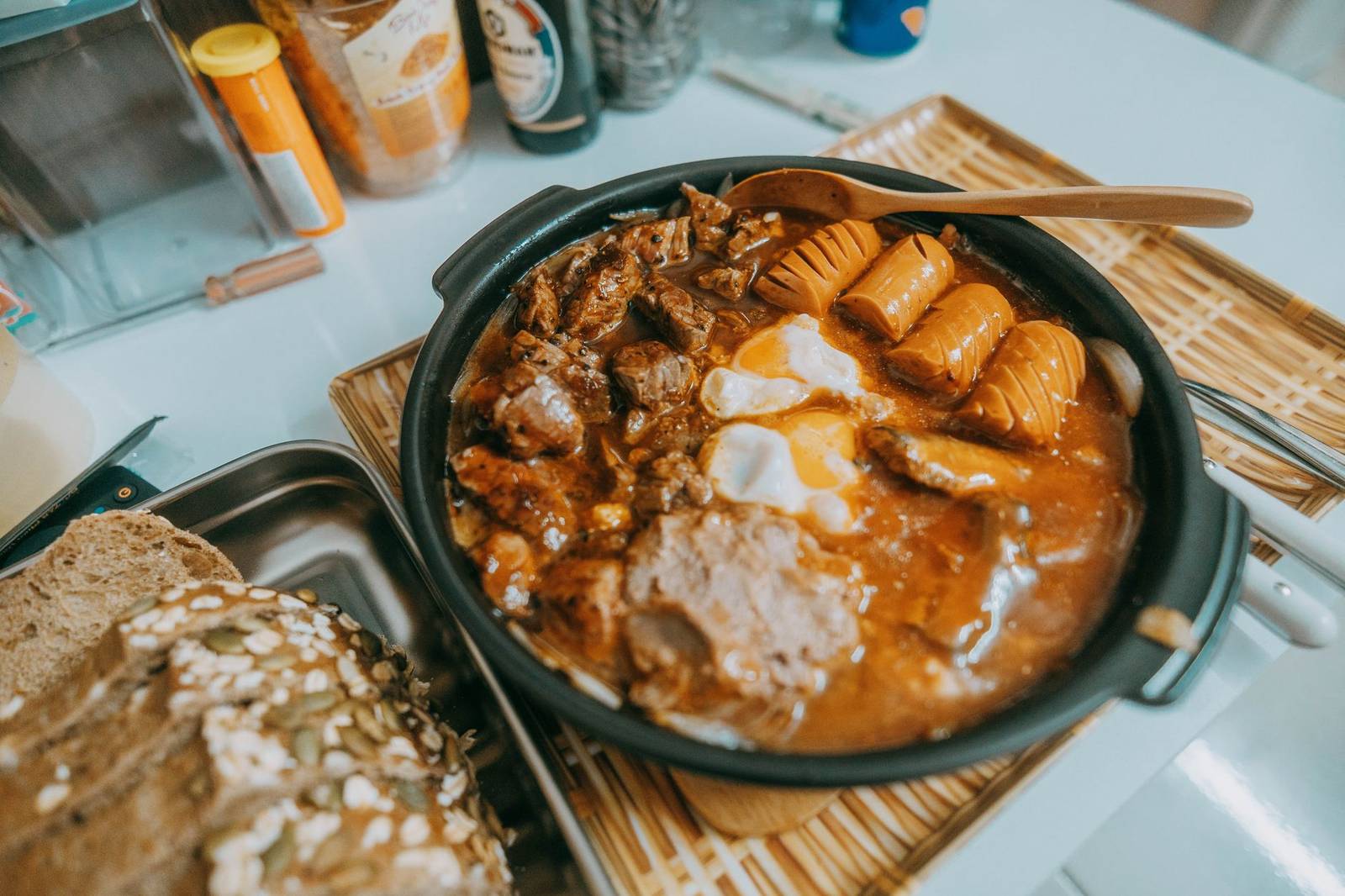
Morning meals deserve a plan too, and these easy breakfast recipes help you start the day without a long list of steps. Egg dishes belong in the temperature table above, so treat a frittata or quiche like any other main course and check it with your thermometer.
When you want to bake bread, cookies or cakes, the baking recipes hub covers the techniques that differ from stovetop cooking. For wider reading on ingredients, drinks and kitchen know-how, the food and drink guide is a good next stop.
Start with one method and one safety habit this week. A single repeatable dinner cooked well will teach you more than a long list of bookmarked recipes you never make.
Frequently asked questions
Do I really need a food thermometer at home?
Show answer
If you want certainty, yes. Cornell Cooperative Extension reminds cooks that you can’t tell whether meat is safely cooked by looking at it.
Why should meat rest after cooking?
Show answer
Heat does not stop the moment food leaves the grill or oven. According to Cornell Cooperative Extension, the temperature stays level or keeps rising during the rest, which destroys harmful germs.
How do I know shrimp and clams are done?
Show answer
Shellfish follow visual cues in the University of Maine Extension guide. Shrimp, lobster, crab and scallops are ready when the flesh turns pearly or white and opaque, while clams, oysters and mussels are ready once their shells open during cooking.
How should I reheat leftovers?
Show answer
The University of Maine Extension chart treats every kind of leftover the same way and calls for 165°F (74°C). Stir or turn the food so the heat reaches the middle.
What should a beginner cook first?
Show answer
Pick one method, such as a sheet pan roast or a pot of soup, and repeat it with different ingredients. Familiarity builds speed, and speed makes cooking at home feel easy rather than like a chore.