Short on time and worried dinner won’t be safe? Your 30 minute meals can be fast and fully cooked if you plan simple steps and check the temperature with a food thermometer.
You can find more dishes in the collection of home cooking recipes.
| Food | Safe minimum internal temperature |
|---|---|
| Steaks, chops and roasts (beef, pork, veal, lamb) | 145°F, then rest at least 3 minutes |
| Ground meats (beef, pork, veal, lamb) | 160°F |
| All poultry, including ground poultry | 165°F |
| Eggs | 160°F |
| Fish and shellfish | 145°F |
| Casseroles | 165°F |
These figures come from the University of Nebraska–Lincoln Food page, which was reviewed and updated in 2024. Guidance can change, so check the source before you rely on the numbers.
How to plan a fast dinner that still gets cooked through
A quick dinner is mostly about order of work, not rushing. Decide the main item first, because it sets the pace for everything else on the stove.
A simple routine keeps the clock friendly on a busy evening:
- Pick one protein, one vegetable and one starch before you turn on any heat.
- Start the item that takes longest, such as rice or pasta water, while you prep the rest.
- Cut food into small, even pieces so it cooks at the same speed.
- Check the main dish with a food thermometer before you plate it.
- Clean as you go, so the kitchen is ready for the next night.
If you like pasta nights, the idea pairs well with one pot pasta recipes, which cut down on pans and cleanup.
Why does a food thermometer beat guessing?
Speed makes people cut corners, and looking at color is the usual shortcut. The University of Nebraska–Lincoln page states that color is not a good way to decide whether meat, poultry or fish has been cooked to a safe temperature, as of its 2024 review (source).
The same page says the only way to know meat has reached a safe internal temperature is to use a food thermometer. That makes a thermometer the cheapest speed tool in the kitchen, since it saves you from cutting into food to check.
Cornell Cooperative Extension adds that any cooked, uncured red meat, including pork, can stay pink even when it has reached a safe internal temperature (Cornell Cooperative Extension Chautauqua). So a pink center does not always mean raw, and a brown center does not always mean safe.
Safe temperatures for the foods you cook most
For quick dinners, a few numbers cover most of the menu. Steaks, chops and roasts need 145°F and at least 3 minutes of rest, while ground meats need 160°F and all poultry needs 165°F, according to the University of Nebraska–Lincoln Food page.
Eggs should reach 160°F, fish and shellfish 145°F, and casseroles 165°F, per the same page. For reheating a fully cooked ham, the page lists 140°F for ham packaged in USDA plants and 165°F for all other hams.
Insert the thermometer into the thickest part of the food, away from bone or the pan. For thin items, tilt the probe in from the side so the tip sits in the center.
Quick-cook ideas that fit the clock
Some foods are naturally suited to a short cooking window, and the safe temperature does not change just because you are in a hurry. Match the method to the food and you can keep the whole meal brisk.
- Stir-fries: thin strips of chicken or beef with quick vegetables, served over rice.
- Sheet-pan dinners: small pieces of fish or sausage roasted with vegetables on one tray.
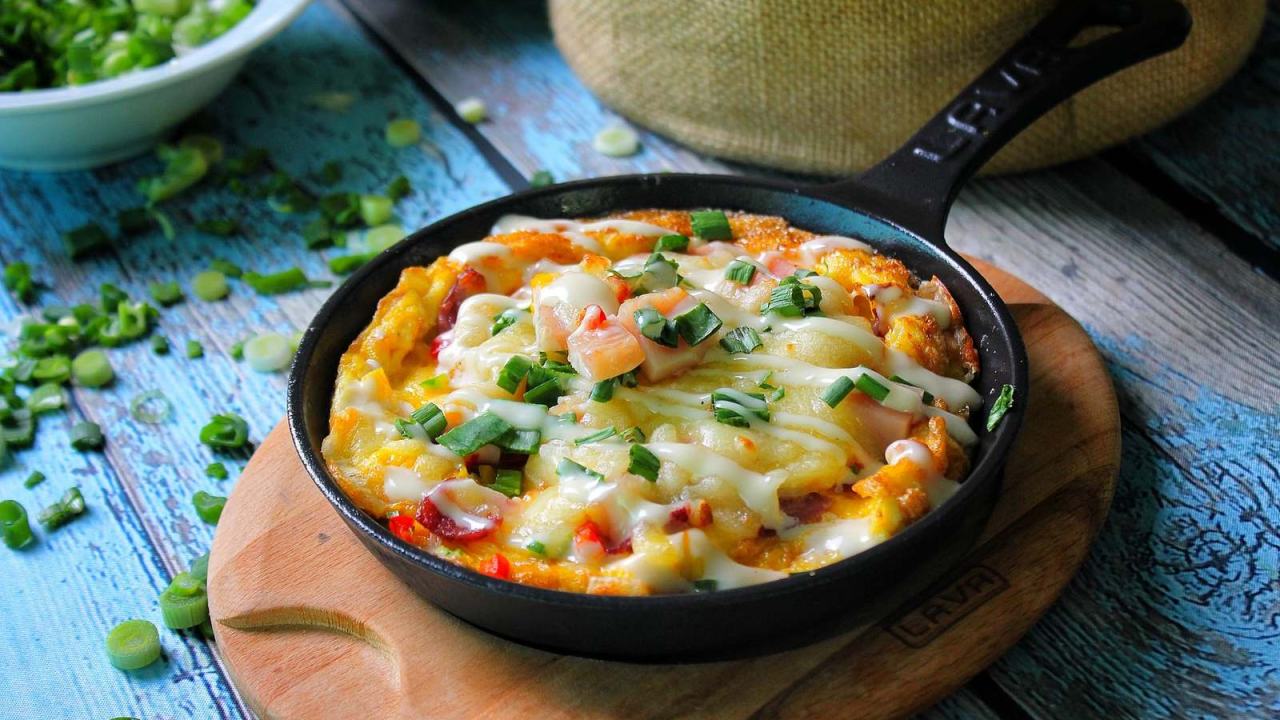
- Skillet eggs: a scramble or frittata with leftover vegetables and a side salad.
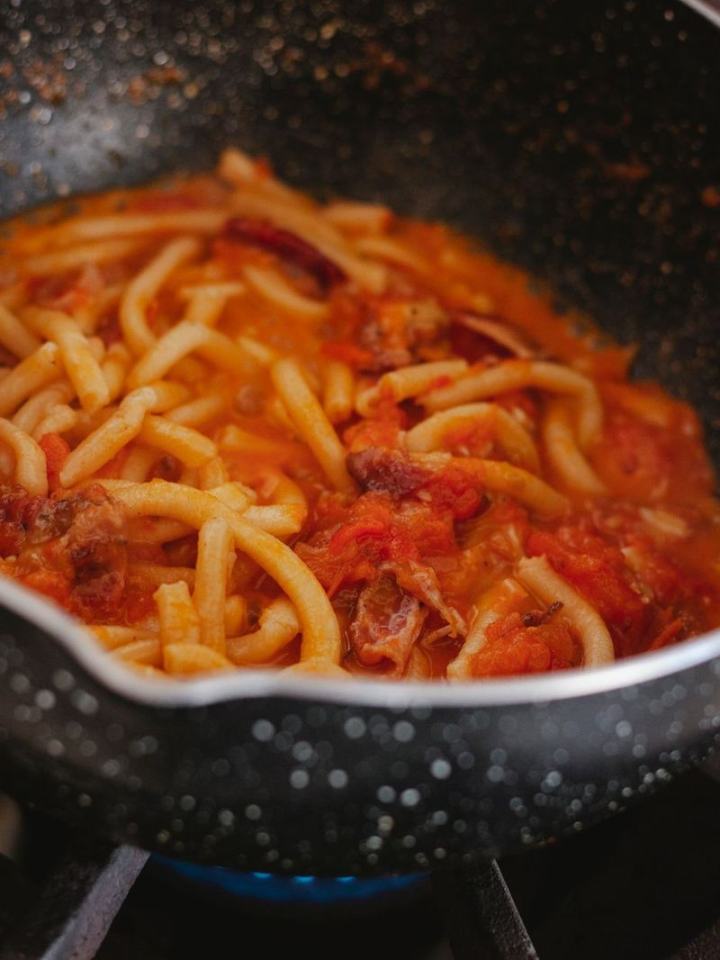
- Pasta in one pot: noodles, sauce and vegetables cooked together.
- Tacos and wraps: ground meat or sliced poultry with fresh toppings.
For more weeknight angles, browse these easy weeknight dinner recipes and pick whichever fits your pantry.
Ground meat deserves a note. It is cooked through only at 160°F, and poultry only at 165°F, so a tacos night still needs a thermometer check (University of Nebraska–Lincoln Food).
Why the rest time matters
Resting is the step people skip first when they are rushed. Cornell Cooperative Extension explains that during the rest time, the temperature of the meat stays constant or keeps rising, which destroys harmful germs (Cornell Cooperative Extension Chautauqua).
Use the rest as working time. Plate the side dishes, wipe the counter or set the table while the meat sits, and the rest costs you nothing.
Frequently asked questions
Can I trust the color of chicken juices?
Show answer
No. The University of Nebraska–Lincoln page says color is a poor guide for meat, poultry and fish, so check the center with a thermometer instead (source).
What temperature should a hamburger reach?
Show answer
Ground beef and other ground meats should reach 160°F inside, based on the University of Nebraska–Lincoln chart (source). A brown middle alone does not prove it is done.
Do I need to rest a steak?
Show answer
Yes. The University of Nebraska–Lincoln chart pairs 145°F for steaks with a rest of at least 3 minutes (source).
Is pink pork always undercooked?
Show answer
Not necessarily. Cornell Cooperative Extension notes that cooked, uncured red meats, pork included, can look pink at a safe temperature, so the thermometer reading is what counts (source).