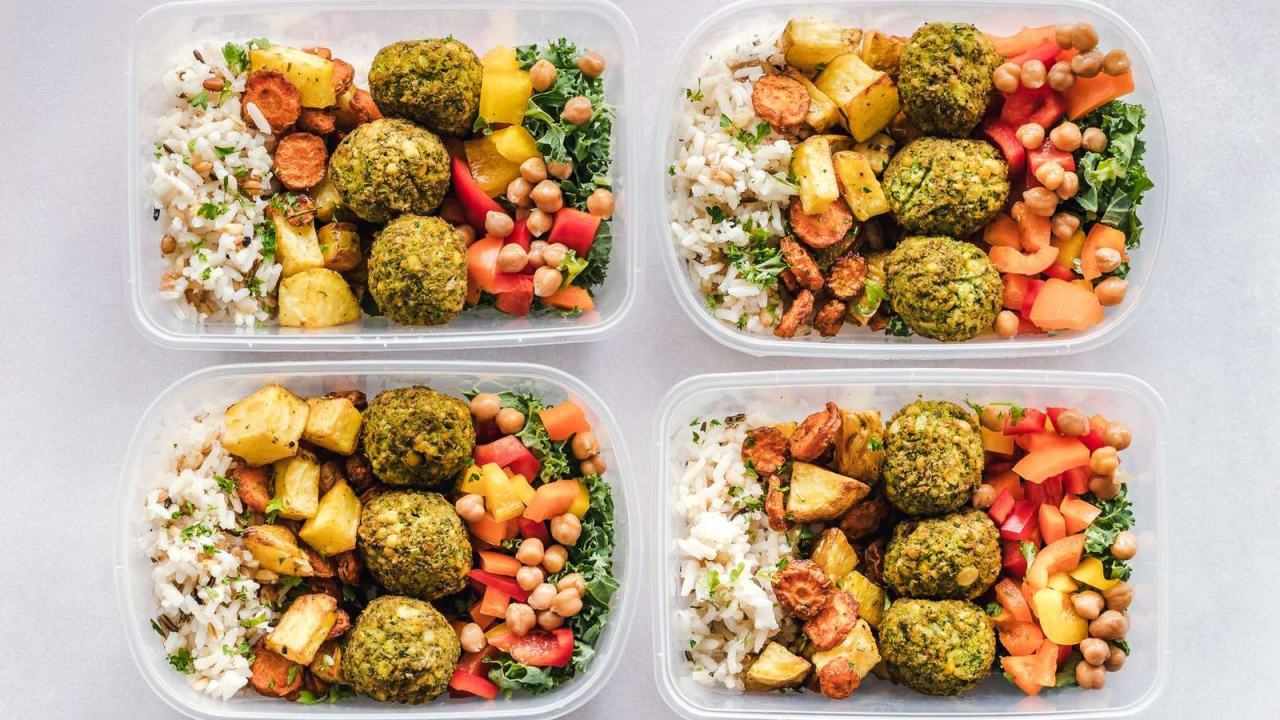
Starting meal prep for beginners can feel like a lot when your week is already full. Keep it simple: cook once, cool food fast in shallow containers, and eat it within a few days.
Once the routine feels easy, browse more home cooking recipes to fill your containers.
| Item | Value |
|---|---|
| Cooked meals in the fridge | Up to four days |
| Prepared meals in the freezer | Three to four months |
| Fridge temperature | 40 degrees Fahrenheit or below |
| Freezer temperature | 0 degrees or below |
| Perishable food left out | No more than two hours |
| Reheating target | 165 degrees F |
These figures come from FOX 5 Atlanta and Food Safety News. Guidance can change, so check the source before you rely on them.
What meal prep means for a first-timer
Meal prep means cooking some food ahead of time so your weekday decisions are already made. You do not need a full Sunday of cooking or a matching set of containers. Start with a couple of items you know you will actually eat.
The one part you should not improvise is food safety, because cooked food waits in your fridge for days. In guidance reported in June 2019, the USDA’s Food Safety and Inspection Service said prepared meals can be stored in the refrigerator for three to four days or frozen for three to four months, according to FOX 5 Atlanta. That window shapes the whole plan: cook for the next few days and freeze the rest.
A simple weekly method
This routine works with almost any recipe and keeps the effort small. Follow the steps in order the first few times, then adjust them to your own kitchen.
- Pick a prep session. Choose one afternoon or evening when you are home and not rushed.
- Keep the menu short. Aim for a protein, a grain or starch and a vegetable that you can mix and match.
- Shop from a list. Write the list from your menu so nothing gets bought twice or forgotten.
- Cook in batches. Start the slowest items first, and use the oven and the stovetop at the same time.
- Cool fast. Put leftovers in shallow containers and refrigerate them right away, as FOX 5 Atlanta advises for quick cooling.
- Portion and label. Write the cooking date on each container so you know what to eat first.
- Freeze the overflow. Anything you will not eat within the fridge window goes into the freezer.
How long does prepped food last?
For short-term storage, Food Safety News summarised USDA advice in September 2025: refrigerate leftovers and eat them within four days. To keep food longer, freeze it inside that same period.
Freezing protects safety, but not taste. The same Food Safety News piece says quality may decline after two to six months, so label containers with dates and eat the oldest meals first.
Your senses are a useful backup, according to FOX 5 Atlanta. Watch for these signs of spoilage:
- A change in color
- A change in texture
- An unpleasant odor
- A bad taste
If a container looks or smells questionable, throw it out rather than risk it.
Cooling, storing and reheating safely
Set your refrigerator to 40 degrees Fahrenheit or below and your freezer to 0 degrees or below, as a rule of thumb from FOX 5 Atlanta. A cheap fridge thermometer lets you check rather than guess.
Harmful bacteria can grow rapidly between 40 degrees and 140 degrees Fahrenheit, and experts say never to leave perishable foods out of refrigeration for more than two hours, per the same FOX 5 Atlanta report. Food Safety News adds that the time drops to one hour when outdoor temperatures are above 90 degrees F, which matters if you carry prepped lunches in a hot car.
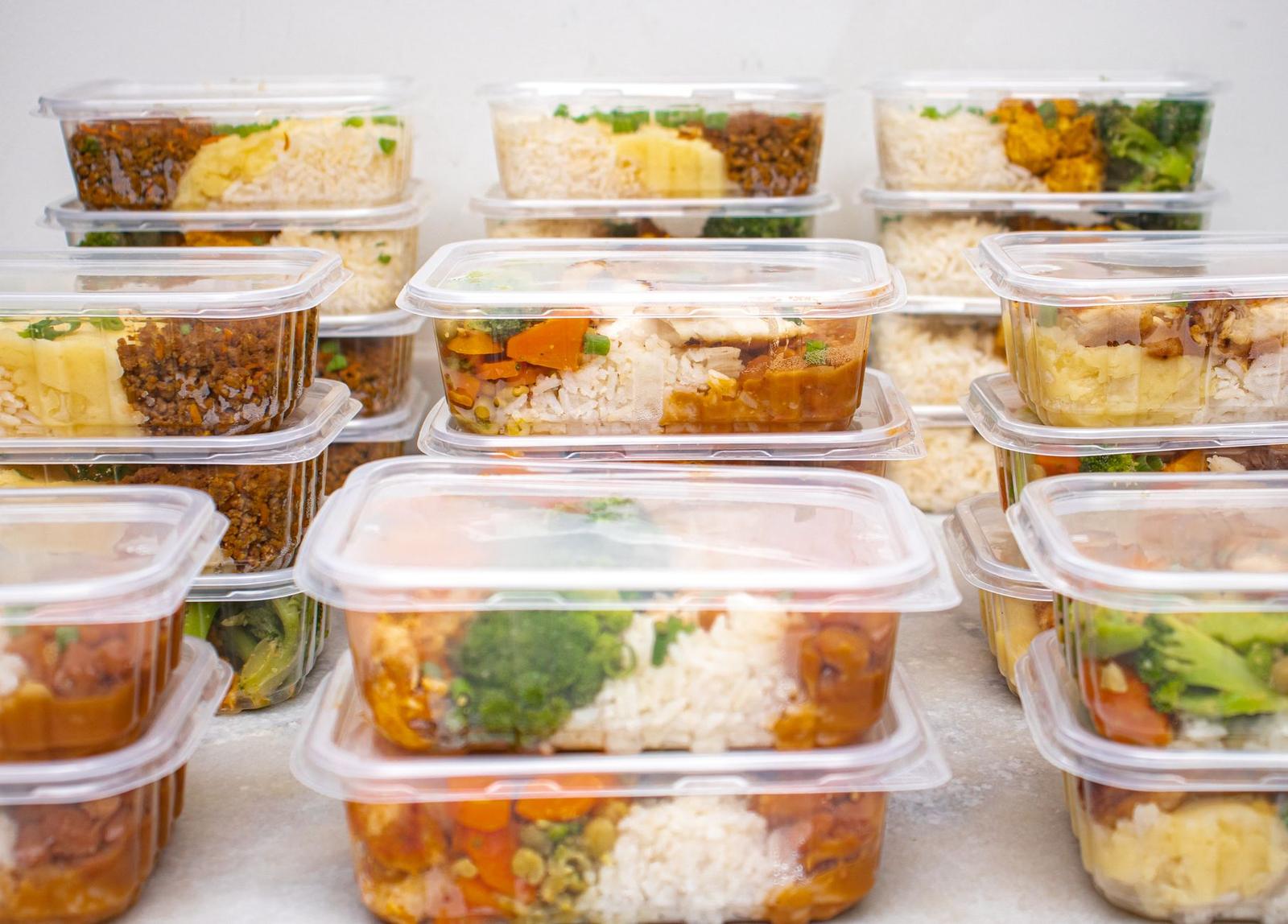
When it is time to eat, reheat food to an internal temperature of 165 degrees F, according to Food Safety News. The same source gives these practical tips:
- Use a food thermometer and check several spots, especially in dense dishes like casseroles.
- Reheat in a microwave, on the stovetop or in the oven, and avoid slow cookers.
- Bring sauces, soups and gravies to a rolling boil.
- Keep leftovers away from raw foods in the refrigerator, and use sealed containers to prevent leaks.
What to prep first
Pick the meal that causes you the most stress and prep only that for the first week. If mornings are rushed, the easy breakfast recipes are a natural place to look for dishes you can portion ahead.
If evenings are the problem, a batch of cooked grains and roasted vegetables gives you a head start. Pair it with ideas from the easy weeknight dinner recipes and you have dinner half done before you get home.
Frequently asked questions
Can I prep every meal for the whole week?
Show answer
Not safely in the fridge alone. Because the fridge limit is four days, cook the early-week meals fresh and freeze the later ones.
What containers should I use?
Show answer
Choose small, shallow ones. Food Safety News notes that large containers trap heat and let bacteria multiply before the food cools, so split big batches into smaller portions.
Does freezing make food completely safe?
Show answer
No. Freezing does not kill all bacteria, and Food Safety News points out that Listeria and Hepatitis A can survive cold temperatures. That is why prompt storage matters.
Can I warm my meals in a slow cooker?
Show answer
It is better not to. Slow cookers may not heat food quickly enough, so the microwave, stovetop or oven is the safer choice, as Food Safety News explains.