Wondering where to start in the kitchen? This food and drink guide points you to home-made drinks, ingredient basics and cooking know-how, plus the safe temperatures to check before you serve.
| Food | Safe minimum internal temperature |
|---|---|
| Steaks, roasts and chops (beef, pork, veal, lamb) | 145°F (63°C), with a 3 minutes rest |
| Ground meat and sausage | 160°F (71°C) |
| Poultry, whole or ground | 165°F (74°C) |
| Egg dishes such as frittata or quiche | 160°F (71°C) |
| Leftovers, any type | 165°F (74°C) |
| Fish, whole or filet | 145°F (63°C) |
These figures come from the University of Maine Extension chart and the Nebraska Extension safe cooking temperatures page. Guidance can change, so check the source before you rely on them.
Drinks to make at home
Home drinks are the easiest place to experiment, because you decide the sweetness, the strength and what goes in the glass. Each guide below goes deep on one style, so you can pick the mood you want.
- Start with a homemade lemonade recipe if you want a bright, simple drink for a warm afternoon.
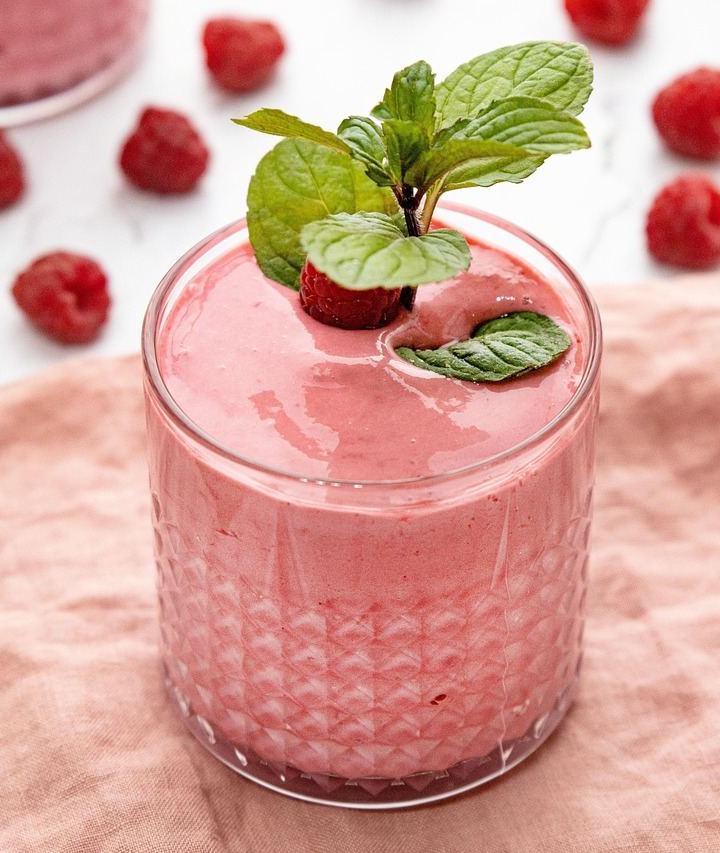
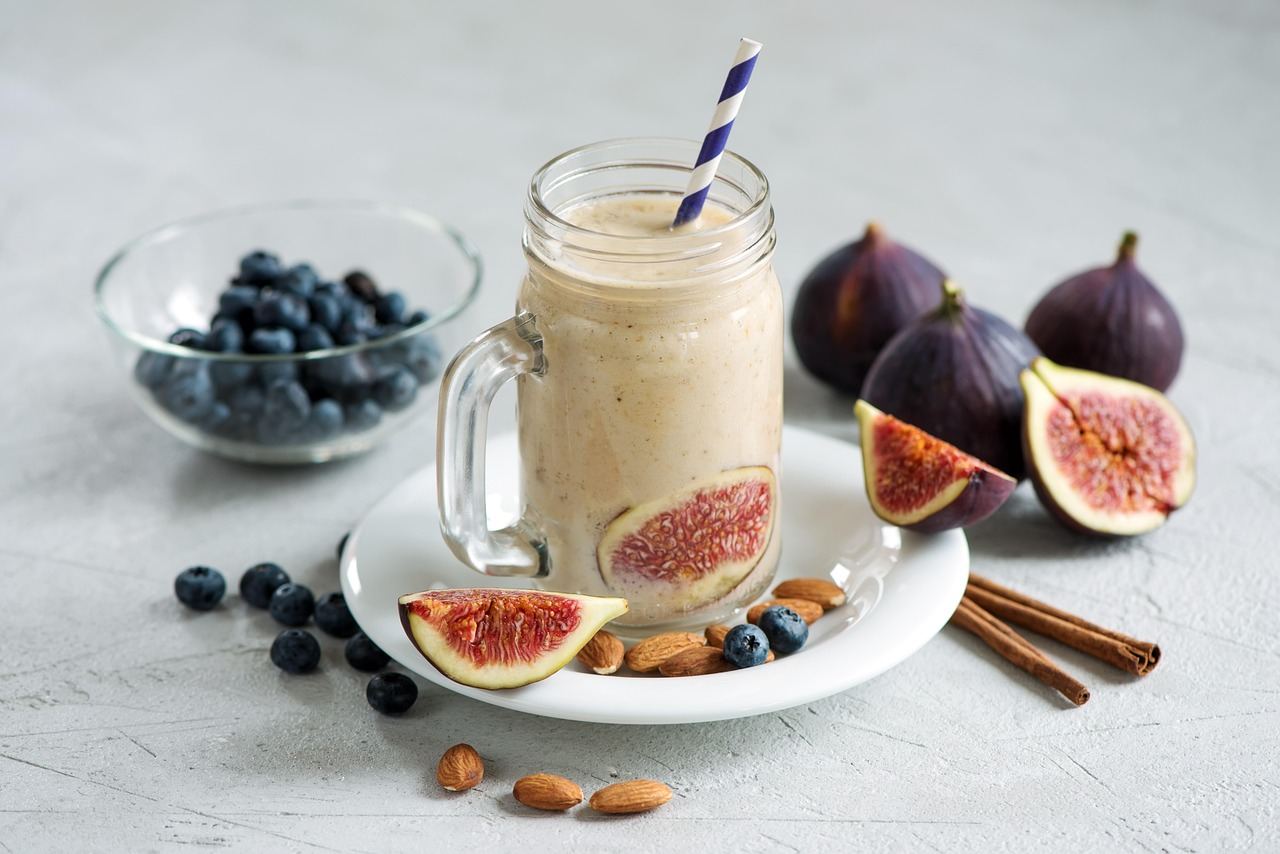
- Browse these smoothie recipes when you want something blended and filling.
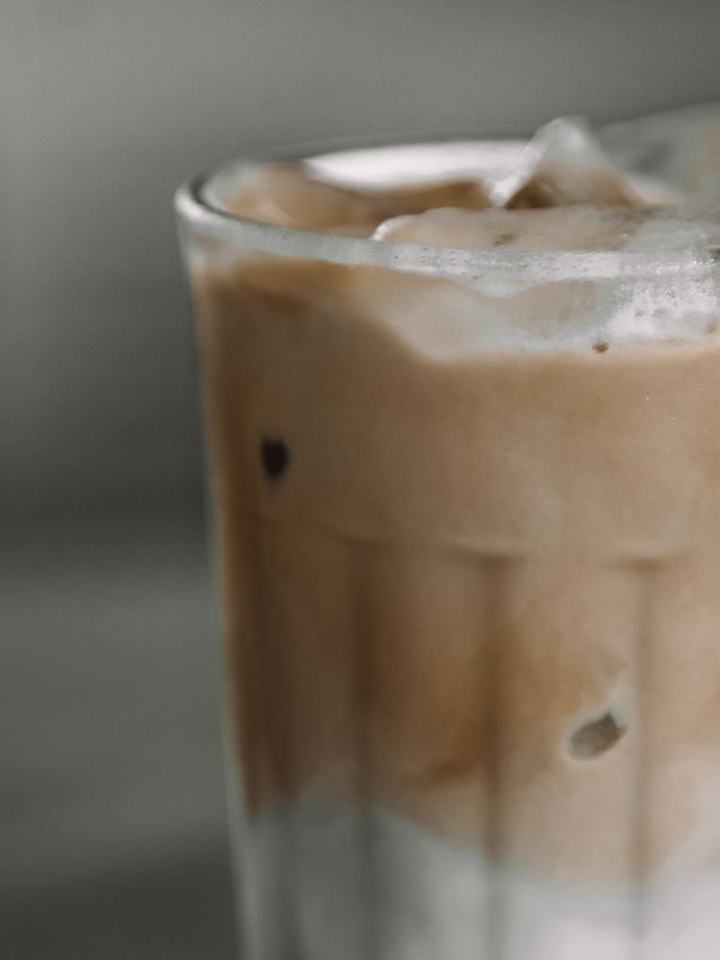
- Learn the basics of iced coffee at home if you would rather skip the coffee-shop queue.
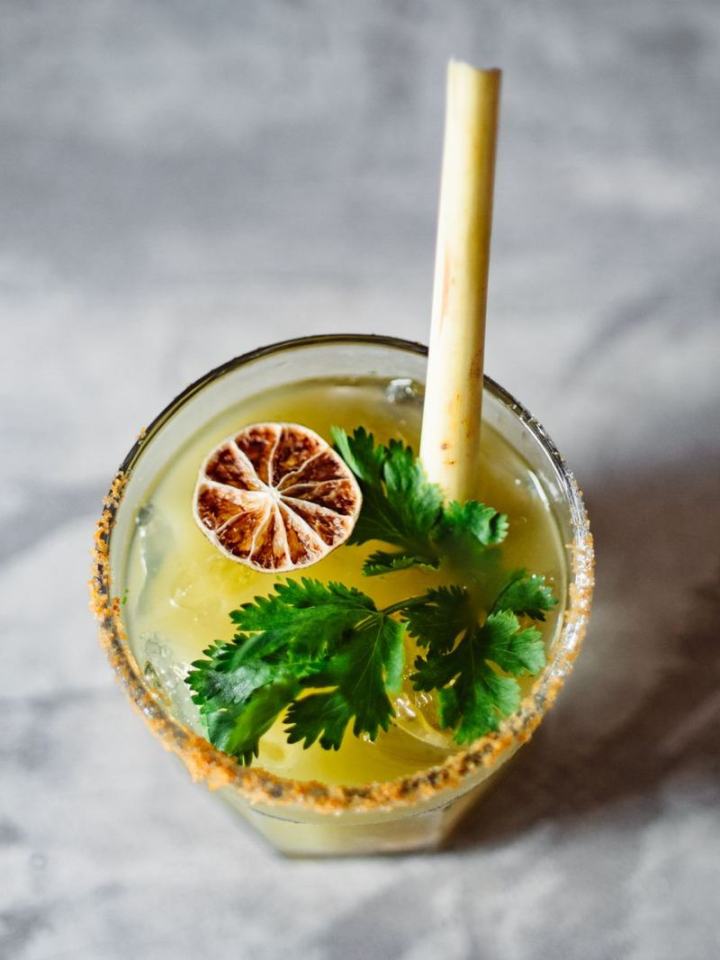
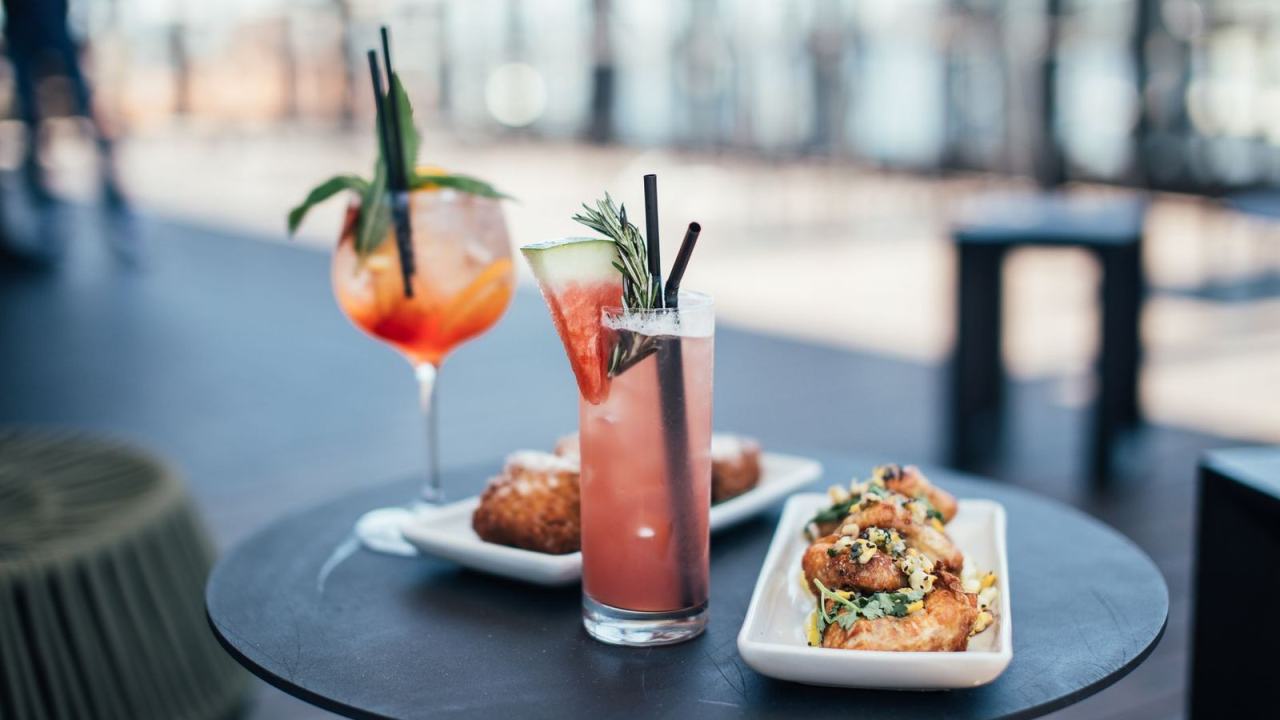
- Try these mocktail recipes for a festive glass without alcohol.
Whichever you choose, taste as you go and change one thing at a time. A glass that is too sharp often needs a touch of sweetness, while one that is too sweet usually wants acid or more ice.
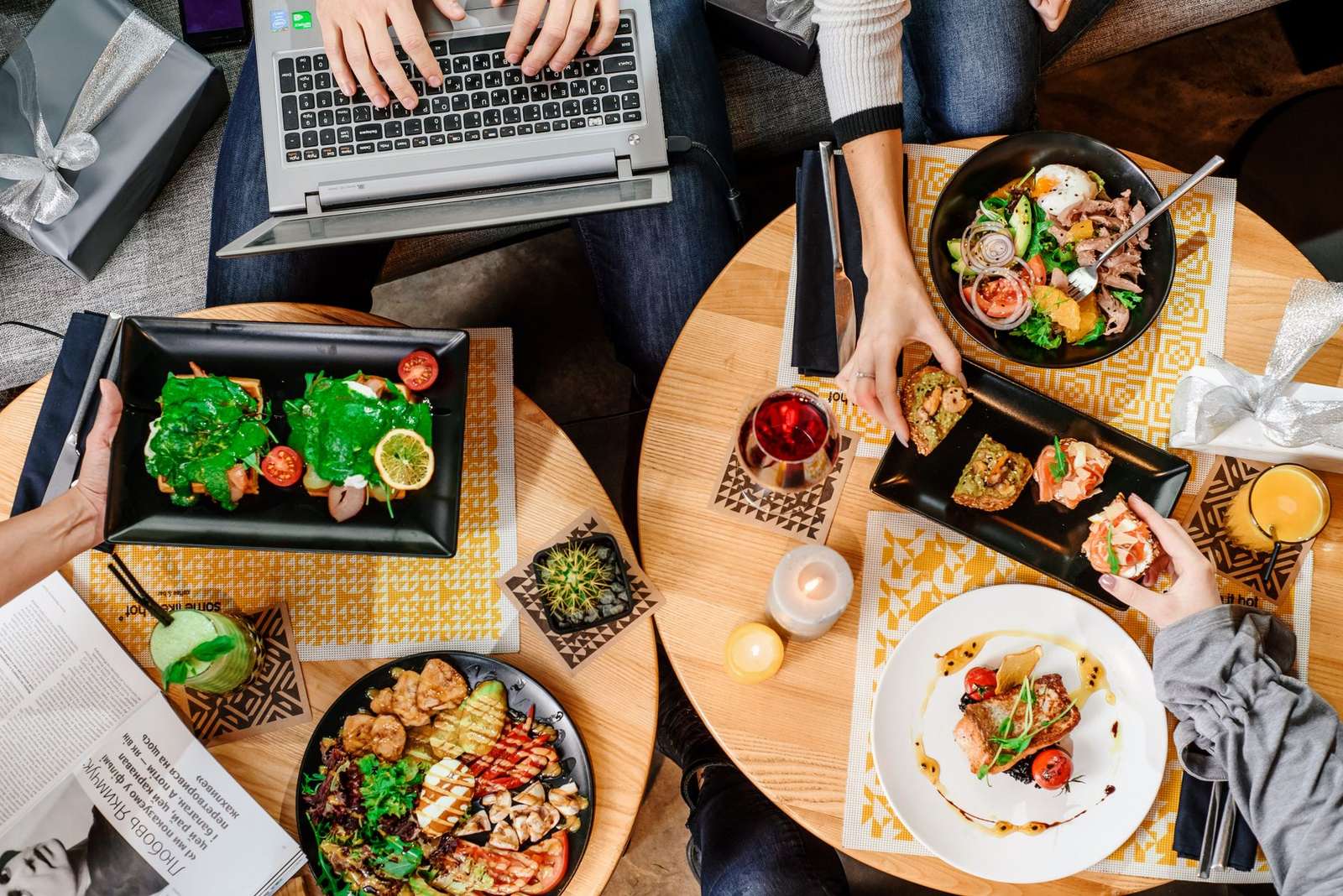
Ingredients, dressings and storage
Good cooking starts with the ingredients you already have, so it pays to handle them well. Fresh herbs, simple dressings and accurate measuring are three habits that lift everyday meals.
- Our guide to homemade salad dressing recipes shows how a few pantry staples can replace a bottle.
- If your herbs wilt before you use them, read about how to store fresh herbs so they stay useful for longer.
- When a recipe uses units you do not own, the page on cooking measurement conversions helps you translate them.
Read a recipe from start to finish before you begin. It takes a minute and saves you from discovering a missing ingredient halfway through.
Kitchen know-how: cooking to a safe temperature
A food thermometer protects every meal, whatever you cook. The University of Maine Extension describes a properly calibrated instant read thermometer as a tool for checking food temperatures and helping to minimize the risk of foodborne illness.
Measure at the center of the thickest part of the food, because that spot takes the longest to heat. The same Maine Extension post advises taking readings in two or three places.
Beyond the summary table, the Maine Extension chart lists raw ham at 145°F (63°C) with a 3 minutes rest, reheated precooked ham at 165°F (74°C), rabbit and venison at 160°F (71°C), and casseroles containing meat or poultry at 165°F (74°C).
Some foods rely on visual cues instead of a number. According to the same chart, shrimp, lobster, crab and scallops are done when the flesh turns pearly or white and opaque, and clams, oysters and mussels are done when their shells open during cooking. Raw eggs should cook until the yolk and white are firm.
Rest time matters too. The University of Maine Extension explains that food keeps heating and spreads that heat evenly while it rests off the grill or oven, which destroys harmful germs.
Cooking, baking and sharing what you make
Once the basics feel comfortable, you can move on to full meals and bakes. Our collection of home cooking recipes is the natural next stop for weeknight dinners and weekend projects.
If you prefer ovens, mixing bowls and the smell of something rising, head to the baking recipes hub for a wider spread of sweet and savoury ideas.
When a dish turns out well, you may want to record it. These food photography tips explain how to make your plates look as good as they taste.
Frequently asked questions
Can I tell if meat is cooked by its color?
Show answer
No. Nebraska Extension says color is not a good way to judge whether meat, poultry or fish is cooked, and as of its 2024 review the only way to know is to use a food thermometer.
Is pink pork always undercooked?
Show answer
Not necessarily. Cornell Cooperative Extension notes that cooked, uncured red meats, including pork, can stay pink even after reaching a safe internal temperature, so look at the thermometer rather than the plate.
How do I clean a food thermometer?
Show answer
Wash it with hot, soapy water straight after each reading, as the Maine Extension guidance recommends.
May I cook food hotter than the minimum?
Show answer
Yes. The Nebraska Extension page says that for reasons of personal preference you may choose higher temperatures, since the listed figures are minimums.