
Planning vegetarian dinner recipes for a busy week? Build each plate around beans, lentils, tofu, eggs or dairy, plus vegetables and whole grains, and you can cover your nutrition without fuss.
This page is part of the wider guide to home cooking recipes on this site.
| Item | Value |
|---|---|
| Calcium, adult reference value | 950 mg/day |
| Iron, adult reference value | 11 mg/day |
| Vitamin D, adult reference value | 15 µg/day |
| Vitamin B12, adult reference value | 4 µg/day |
| EPA/DHA omega-3, adult reference value | 250 mg/day |
These are adult dietary reference values from EUFIC’s guide for vegetarians and vegans. Figures can change, so check the source before you rely on them.
What counts as a vegetarian dinner?
According to MedlinePlus, a vegetarian diet does not include any meat, poultry or seafood. It is built mostly from vegetables, fruits, whole grains, legumes, seeds and nuts.
The label covers several styles, so it helps to know which one you are cooking for:
- Lacto-ovo vegetarian: plant foods plus dairy products and eggs.
- Lacto-vegetarian: plant foods plus some or all dairy products, but no eggs.
- Vegan: only plant-based foods, so no eggs, milk or honey.
- Pescatarian: plant foods and seafood.
Cheese deserves a quick label check. MedlinePlus notes that vegetarians also avoid products containing gelatin or rennin, an enzyme from calf’s stomachs used to produce many cheeses.
Building a filling plate
Start with protein, because it is what makes a meat-free dinner feel like a proper meal. MedlinePlus says plenty is easy to get without animal products, and the foods do not have to be paired at the same meal.
Good anchors for the plate include:
- Soy foods such as tofu, tempeh, soy milk and soy nuts.
- Seitan, which is made of gluten.
- Legumes, beans and lentils.
- Nuts, nut butters, seeds and whole grains.
- Dairy products such as milk, yogurt and cottage cheese, if your diet includes them.
Packaged meat substitutes can save time on a tired weeknight. Just watch for products that are high in sodium, and compare labels before you buy.
Around the protein, add a pile of vegetables, a whole grain, and something rich in vitamin C. That last step matters more than it sounds, as the nutrients section below explains.
Easy weeknight vegetarian dinner ideas
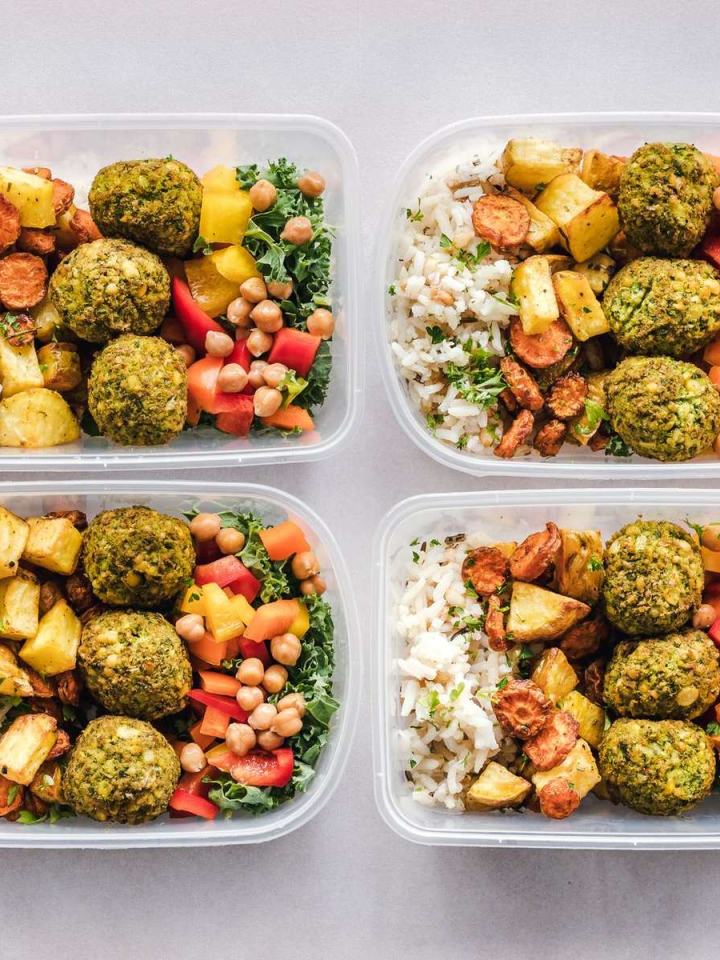
These dishes use pantry staples and a single pot or pan, and each one can be scaled up for leftovers.
- Lentil and tomato curry: simmer lentils with onion, tomatoes and warm spices, then serve over brown rice.
- Three-bean chili: kidney beans, black beans and white beans with peppers, tomatoes and smoked paprika.
- Tofu and broccoli stir-fry: pan-fry firm tofu, add broccoli and a ginger-garlic sauce, and serve with noodles or rice.
- Chickpea and kale stew: chickpeas, kale and potatoes in a garlicky tomato broth with crusty bread.
- Eggs in spiced tomato sauce: a shakshuka-style skillet for lacto-ovo vegetarians, finished with yogurt.
- Roasted vegetable grain bowl: roasted squash, peppers and onions over quinoa or barley with a tahini drizzle.
- White bean and greens pasta: toss pasta with white beans, wilted greens, lemon and olive oil.
Several of these pair iron-rich beans or lentils with vitamin C foods such as tomatoes and peppers, a combination MedlinePlus describes as helpful for iron absorption.
Soup is another dependable meat-free dinner, and the homemade soup recipes guide has plenty of bean and vegetable options. If part of your household still eats meat, the chicken breast recipes page can cover those plates while you cook a shared meat-free base.
Nutrients to plan for
The upside of cooking this way is real. MedlinePlus says a well-planned vegetarian diet can meet your nutrition needs, and that eating this way may help lower blood pressure and reduce risk for heart disease, obesity and type 2 diabetes. Vegetarians also usually eat more fiber, potassium and vitamin C.
The catch is that planning matters more as the diet gets stricter. EUFIC says the more restricted the diet, the more care is needed to get every nutrient the body requires.
Iron and calcium
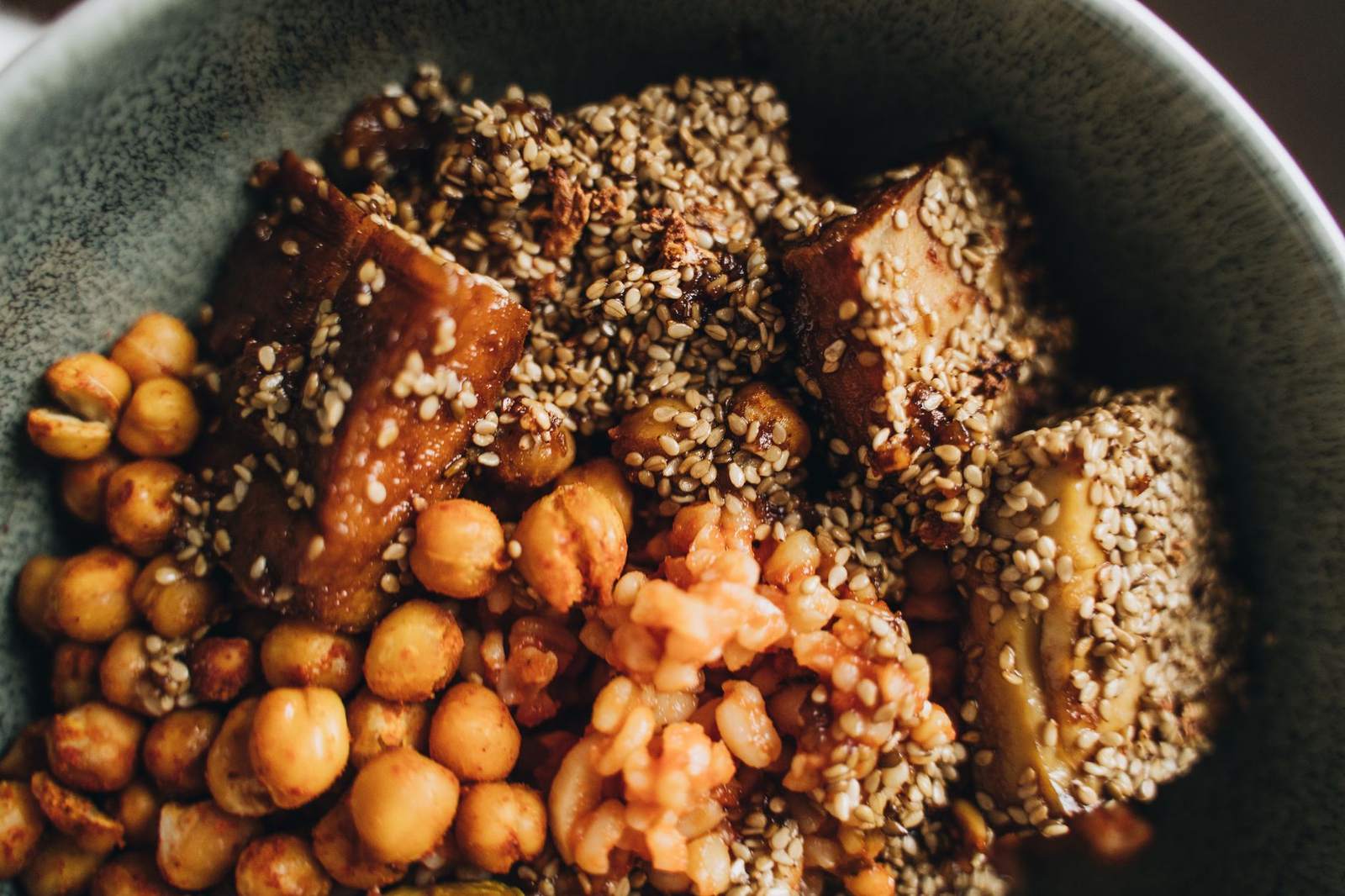
Your body does not absorb the iron in plant foods as well as the iron in meat, according to MedlinePlus. The adult reference value is 11 mg/day per EUFIC, and lentils, chickpeas, beans, tofu and cashews all help. Serve them with tomatoes, citrus, bell peppers or strawberries.
For calcium, EUFIC gives an adult reference value of 950 mg/day, with calcium-set tofu and fortified foods as plant-based sources (source). MedlinePlus also lists kale, bok choy, broccoli, tahini and white beans.
Vitamin B12, vitamin D and omega-3
Eggs and dairy supply the most vitamin B12, so vegans have the hardest time getting enough. The EUFIC reference value is 4 µg/day, and fortified cereals, soy products and nutritional yeast can help.
The same EUFIC table puts vitamin D at 15 µg/day, with fortified foods and supplements as the plant-based routes. Fortified milks and cereals, plus egg yolks, are everyday options.
For omega-3 fats, the EUFIC reference value for EPA and DHA is 250 mg/day. Walnuts, chia seeds, ground flaxseed and rapeseed oil provide ALA, but converting ALA to DHA is much less efficient, so supplements may be needed.
Frequently asked questions
Is it hard to get enough protein without meat?
Show answer
Not usually. Soy foods, legumes, nuts, whole grains and dairy all contribute, and you can spread them across the day rather than matching them plate by plate, as MedlinePlus explains.
Do vegetarians need supplements?
Show answer
It depends on the style you follow. EUFIC calls vitamin B12 one of the most critical nutrients for vegans to supplement, while eggs and dairy cover it for lacto-ovo vegetarians. A doctor or registered dietitian can advise on your own situation.
Is spinach a good calcium source?
Show answer
Not a reliable one. Oxalates in plant foods inhibit calcium absorption, and MedlinePlus names spinach, Swiss chard and beet greens as examples that are poor calcium sources despite containing it.
Who should plan vegetarian meals with extra care?
Show answer
MedlinePlus lists young children and teens, pregnant or breastfeeding women, older adults, and people with cancer or some chronic illnesses (source). Teens and pregnant women are advised to work with a registered dietitian.