You want baking recipes that turn out well and keep your household safe. Start with simple, forgiving bakes, learn a few core techniques, and never taste raw dough or batter, because flour and eggs can carry bacteria.
| Item | Value |
|---|---|
| FDA warning against eating raw dough or batter, as reported | July 1, 2016 |
| General Mills flour recall that prompted the warning | 10 million pounds |
| Brands named in the recall | Three: Gold Medal, Signature Kitchens and Gold Medal Wondra |
| Bacteria strain behind the linked outbreak | Shiga toxin-producing E. coli O121 |
| Common “kill steps” that make food safer | Boiling, baking, roasting, microwaving and frying |
These figures come from a Food Safety News report on the FDA raw dough warning, dated July 2016. Figures and advice can change, so check the source before you rely on them.
Where to start with baking recipes
A good first bake is one where the method is easy to follow and a small mistake still tastes good. Cookies, quick breads and brownies fit that description, and they teach you how your oven behaves.
If you have never baked before, read our guide to baking for beginners first, since it covers the tools and habits that every recipe assumes.
- Read the whole recipe before you touch an ingredient, so nothing surprises you halfway through.
- Gather and measure everything first, a habit bakers often call mise en place.
- Preheat the oven fully before the tray goes in.
- Keep notes on what you changed, so a good result is repeatable.
Core techniques that make recipes work
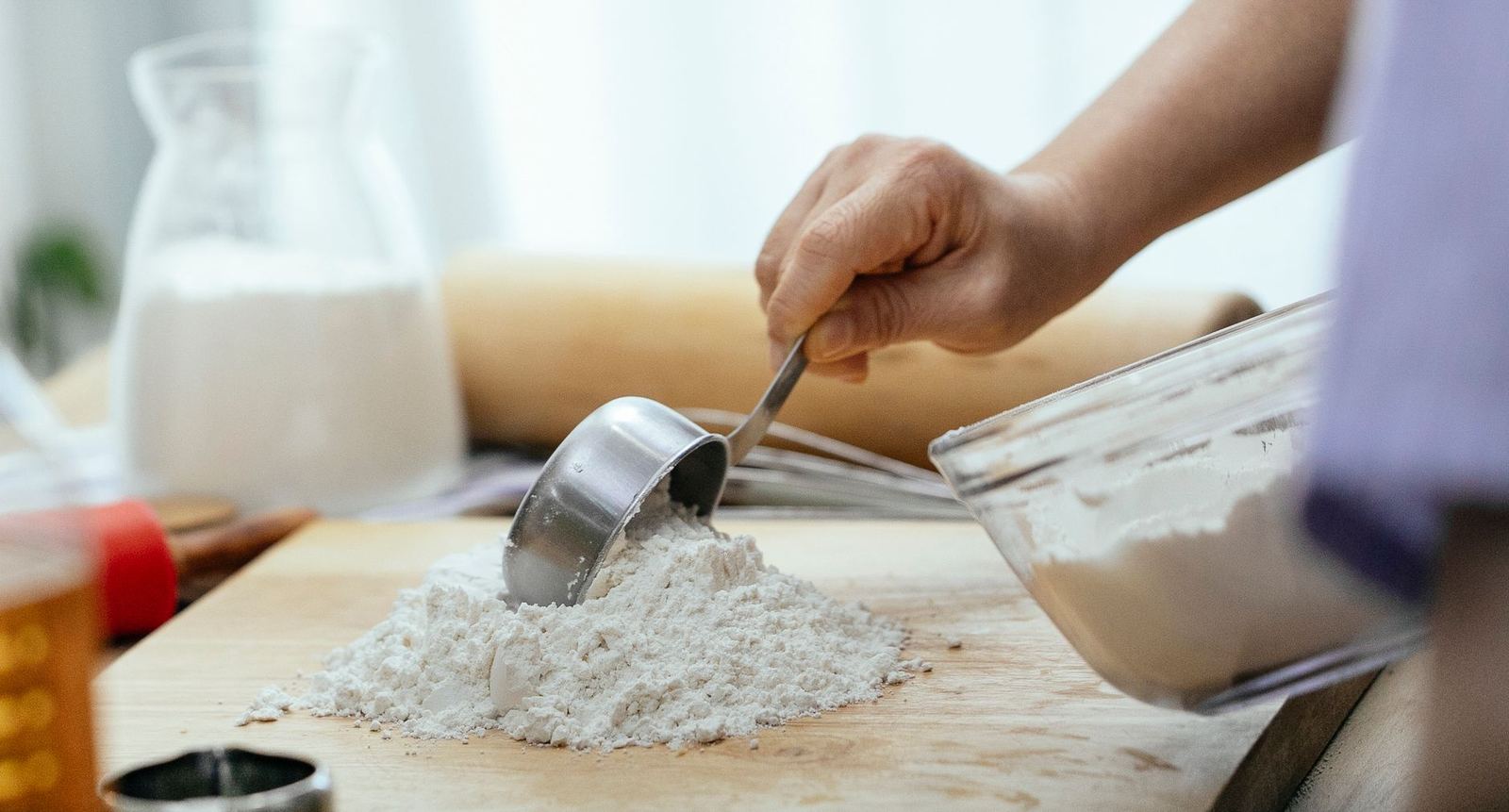
Most failed bakes come from technique rather than from a bad recipe. Measuring flour by weight, rather than scooping it into a cup, gives the most consistent results from one batch to the next.
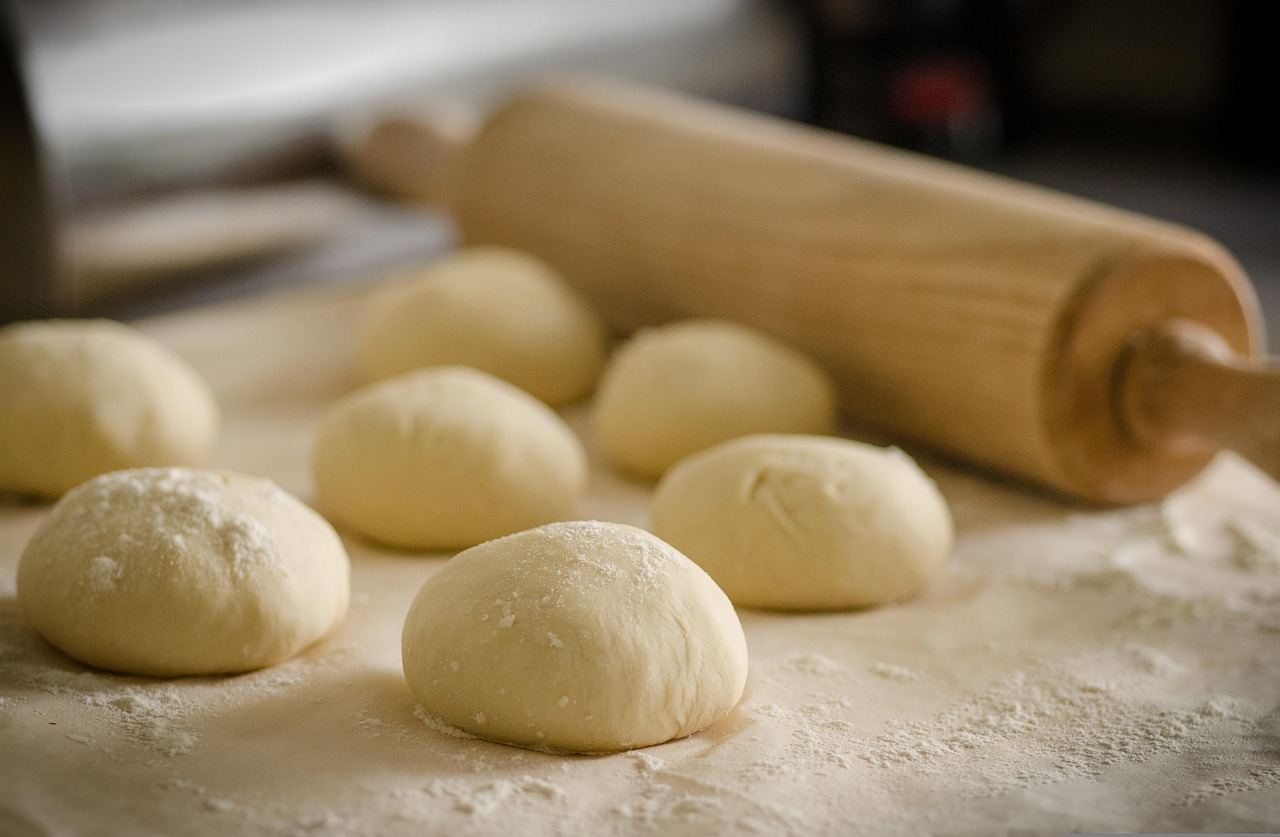
Temperature matters just as much. Butter and eggs that are at the temperature the recipe asks for will blend smoothly, while cold or melted butter can change the texture of a cake or cookie.
Mixing without overdoing it
Once flour meets liquid, gluten starts to develop. For tender muffins, quick breads and cakes, stir only until the streaks of flour disappear, because extra mixing makes them tough.
Know when it is done
Timers are a guide, not a promise, because every oven runs a little differently. Look for golden edges, a set centre and a toothpick that comes out clean or with a few moist crumbs, depending on what you are baking.
Classic bakes worth learning first
Three sweet bakes cover most of what home bakers want, and each teaches a different skill. Our chocolate chip cookies recipe shows how creaming, resting dough and baking time change chewiness.
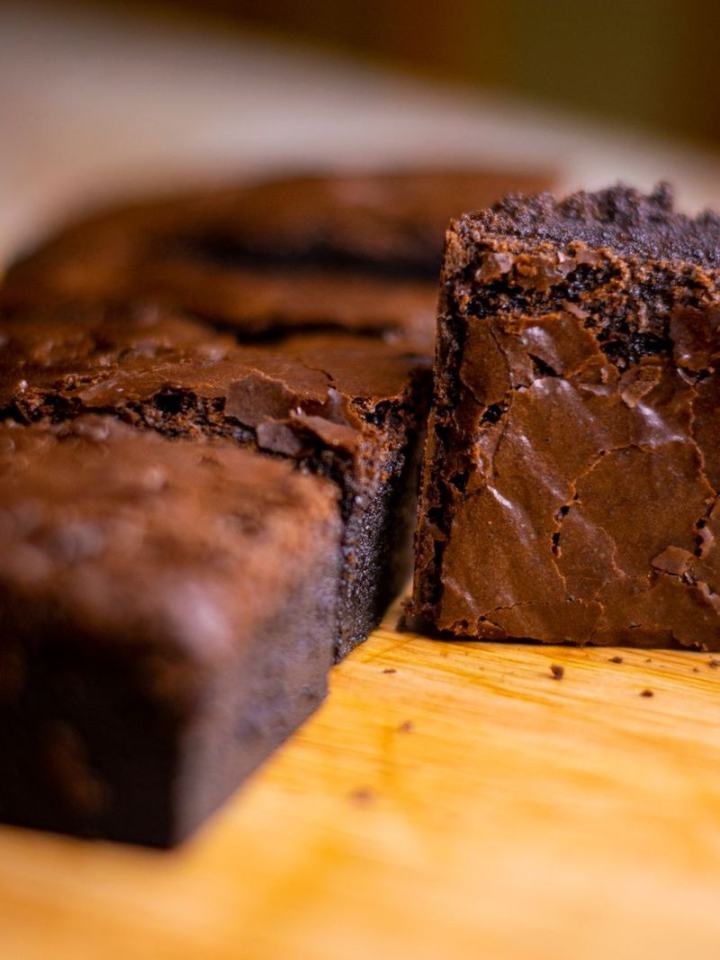
When you have overripe fruit on the counter, the banana bread recipe teaches the gentle mixing that quick breads need. For something richer, the fudgy brownies recipe explains how to judge doneness in a dense, moist bake.
- Cookies teach you about dough temperature and spacing on the tray.
- Quick breads teach you restraint when mixing.
- Brownies teach you to pull a bake out while the centre is still soft.
Yeast breads, pizza and rolls
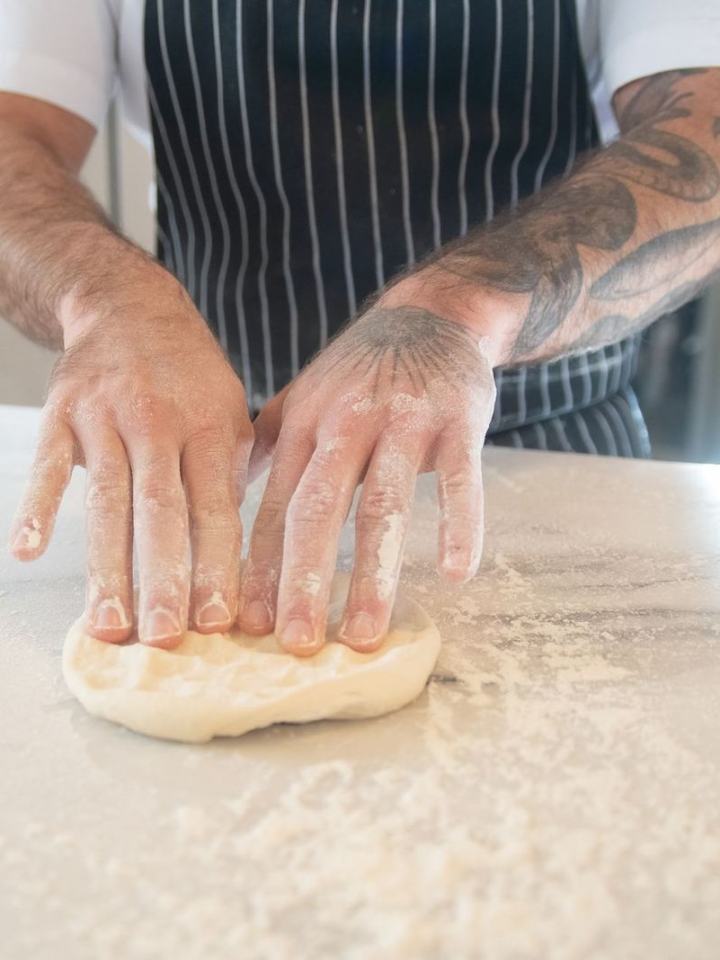
Yeast baking asks for patience rather than skill. The dough does most of the work while it rests, and your job is to give it a warm enough spot and enough time.
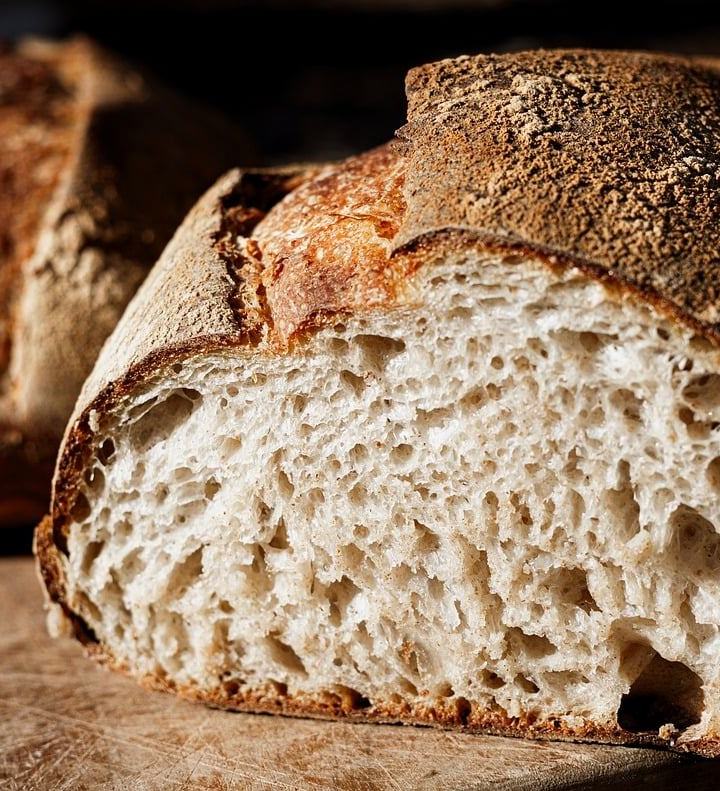
If you want a long, slow project, try sourdough bread for beginners, which walks through starter care and shaping. For a quicker weeknight win, the homemade pizza dough guide gives you a base you can top however you like.
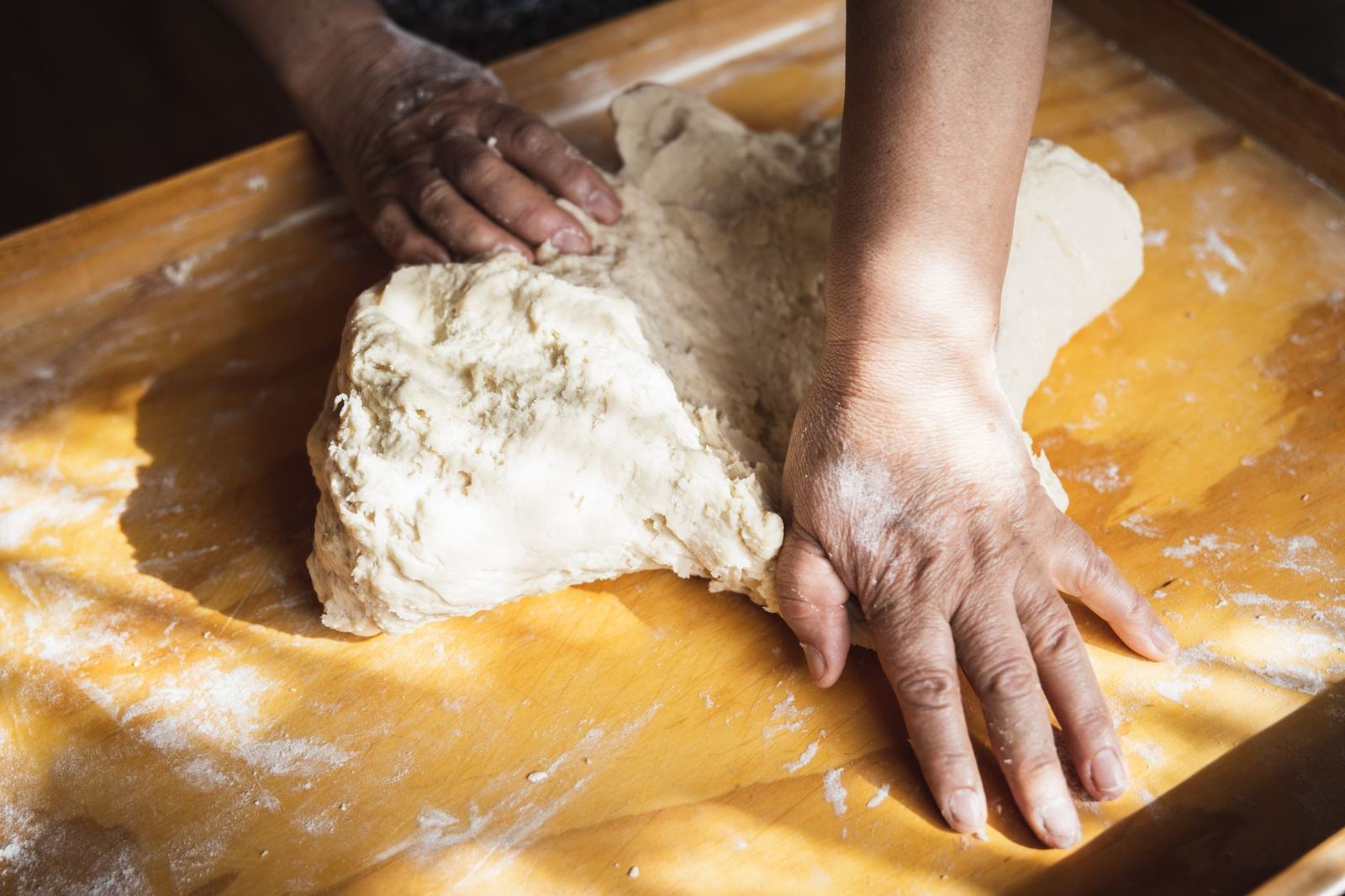
For a weekend treat, follow the cinnamon rolls recipe, which shows how rolling, filling and a second rise build soft, tall rolls.
Why raw dough and batter are not a snack
Licking the spoon feels harmless, but health authorities say otherwise. In a report dated July 2016, Food Safety News described an FDA warning that sampling raw dough or batter “could make you, and your kids, sick.”
The warning followed a General Mills recall of 10 million pounds of flour sold under three brand names. The recalled varieties were unbleached, all-purpose and self-rising flours, and the linked outbreak involved Shiga toxin-producing E. coli O121.
Flour is a raw ingredient
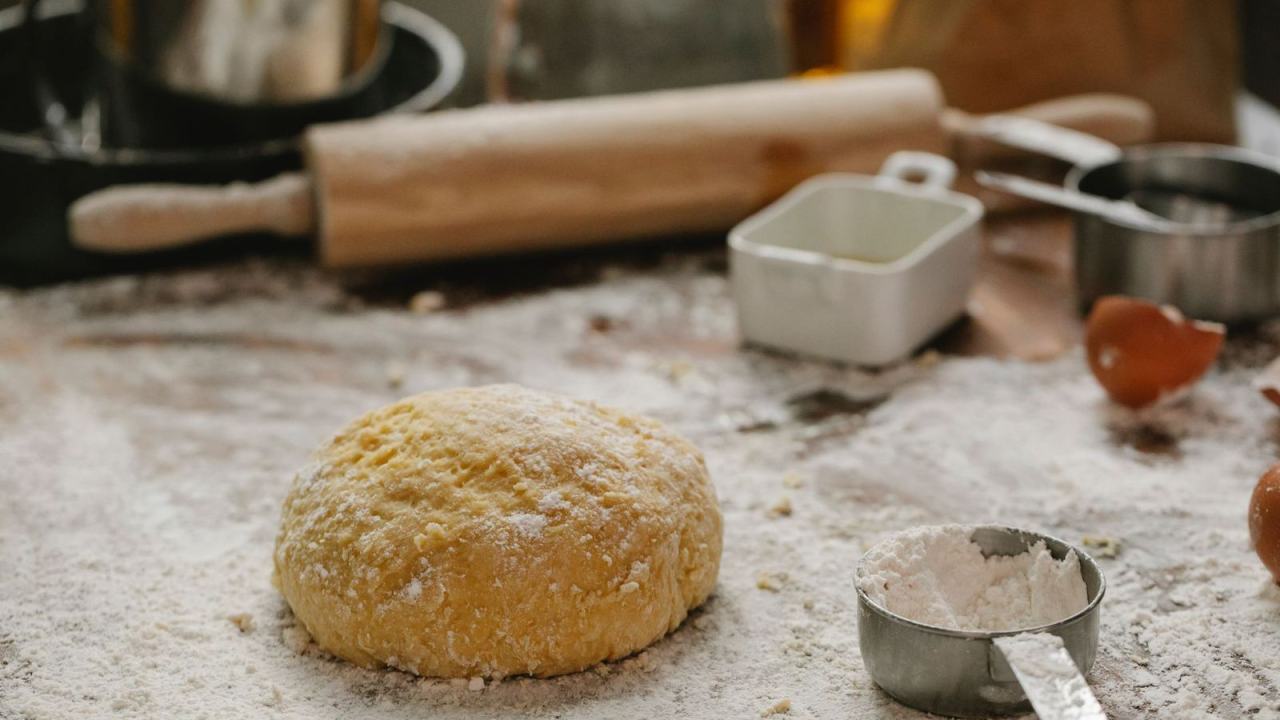
Many bakers worry only about raw eggs and Salmonella. According to the same report, flour comes from grain taken directly from the field and is typically not treated to kill bacteria, so the risk is not limited to eggs.
Heat is what makes it safe
The report lists boiling, baking, roasting, microwaving and frying as common kill steps. Raw dough has had none of them, which is why the safest habit is to keep tasting for the finished, fully baked product.
- Do not let children play with or taste raw dough.
- Wash your hands, bowls and utensils after handling raw flour or eggs.
- For cookie dough ice cream, buy a commercial product, since the FDA suggestion in the report is that manufacturers should be using treated flour and pasteurized eggs.
Substitutions and planning ahead
Running out of an ingredient is common, but swaps can change texture and rise. Before you replace anything, check our guide to baking substitutions so you know which swaps are safe and which are risky.
If you enjoy cooking beyond the oven, our home cooking recipes hub covers everyday savoury dishes. For ideas on what to serve alongside your bakes, browse the food and drink guide.
Frequently asked questions
Is it ever safe to taste raw cookie dough?
Show answer
The FDA warning reported in July 2016 says no, whether the dough is for cookies, bread, pizza or tortillas. Wait until it is fully baked, or choose a commercial dough made for eating raw.
Does baking really make flour safe?
Show answer
Baking is one of the heat treatments listed as a kill step, so a fully baked loaf or cookie has been through the step that raw dough skips. Undercooked centres defeat that purpose, so bake until done.
Should I still throw away flour from that recall?
Show answer
The report advised discarding any of the recalled General Mills flours found in the home. The recall dates from 2016, so check any bag you still have against current recall notices.
What should I bake first?
Show answer
Pick something forgiving, such as cookies or a quick bread. Once you are comfortable with measuring and oven timing, move on to yeast doughs.