Wilted cilantro again? The simplest answer on how to store fresh herbs is to match the method to the type: leafy herbs upright in water in the fridge, woody herbs in damp paper, basil on the counter.
This page sits inside the wider food and drink guide, which collects more everyday kitchen basics.
| Storage item | Value |
|---|---|
| Woody herbs, wrapped in damp kitchen paper in a sealed container | Up to 5 days fresh |
| Herbs frozen for long-term storage | Up to 12 months |
| Typical freezer storage range for fresh herbs | 8-12 months |
| Minimum storage temperature for basil | Above 10°C |
| Water depth for a basil stem glass | An inch of water |
These figures come from EUFIC’s guide to keeping potted and fresh herbs fresh. They can change, so check the source before you rely on them.
Sort your herbs into three groups
Herbs do not all want the same treatment, and tossing everything into the crisper drawer is a common reason bunches turn limp. EUFIC separates them into three groups that each have their own routine.
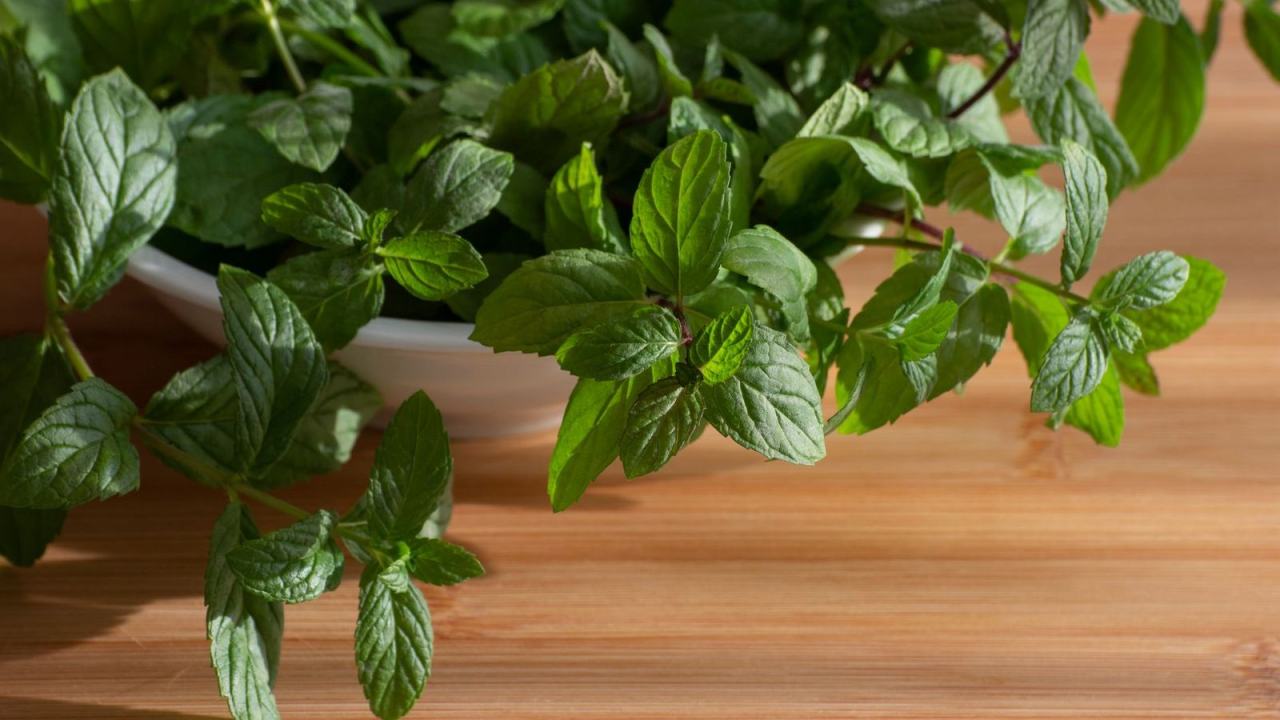
- Leafy herbs: cilantro, parsley and mint.
- Woody herbs: rosemary, sage and oregano.
- Basil: the temperature-sensitive one that stays out of the fridge.
Most cut herbs can be stored unwashed in the fridge to maintain freshness, according to EUFIC. Basil is the exception, and it gets its own section below.
Storing leafy and woody herbs in the fridge
Leafy herbs behave a little like cut flowers, so treat them that way. Follow these steps:
- Trim the stems.
- Stand the bunch upright in a glass of water.
- Place a plastic bag loosely over the top.
- Put the glass in the fridge.
Woody herbs prefer a drier setup. Wrap rosemary, sage or oregano in damp kitchen paper, place the parcel in a sealed container and keep it at the bottom of the fridge. EUFIC says herbs stored this way can remain fresh up to 5 days.
Why basil is the odd one out
Basil does not tolerate cold well. EUFIC advises keeping it above 10°C and away from direct sunlight instead of in the fridge.
A common method is to trim the stems and stand them in a small vase or glass with an inch of water. Keep only the stems in the water, not the leaves, and change the water regularly so the bunch lasts as long as it can, as EUFIC describes.
Put basil in the fridge and it can suffer chilling injury. The leaves and growing tip turn brown, and the leaves lose their glossy look.
Once your basil is thriving, the homemade salad dressing recipes on this site are a tasty place to use it up.
Keeping potted herbs going after you bring them home
Supermarket herb pots are usually grown in small, crowded containers designed for short-term sale rather than long-term growth. To help them last, move them into a larger pot with fresh, nutrient-rich soil.
- Choose a pot with drainage holes so water does not collect around the roots.
- Place it in a bright, sunny spot at room temperature.
- Give it enough water and room to grow.
With enough light, water and space, potted herbs can keep producing fresh leaves for several weeks or even months, says EUFIC. If a pot gives you more leaves than you can use, you can freeze the extra.
How can you spot spoilage?
Herbs begin to spoil when they turn limp or wilted, or develop brown, yellow or dark spots. A noticeable loss of aroma and a sour smell are further warning signs.
Herbs with an unpleasant smell or spotted leaves should not be eaten because of the risk of contamination.
Where you place herbs in the fridge matters too. Keep them away from ethylene-producing produce, including:
- apples, pears, peaches and plums
- tomatoes and cucumbers
- lettuce and broccoli
Store herbs apart from strongly scented foods such as onions and garlic, too, so they do not pick up the odour.
Freezing herbs for the long term
Freezing is the best option when you cannot use a bunch in time. EUFIC puts the freezer window at 8-12 months for herbs frozen well, and notes they can be kept for up to 12 months.
- Chopped and bagged: chop the herbs finely and seal them in a freezer bag or airtight container, then add them to dishes without thawing.
- Frozen in oil: mix chopped herbs with a small amount of oil and freeze them in an ice cube tray, which helps preserve flavour, colour and texture.
When a recipe lists amounts, cooking measurement conversions can help you work out how many herb cubes to drop in.
Frequently asked questions
Should I wash herbs before putting them away?
Show answer
Generally no. Leaving cut herbs unwashed until you need them is the recommended routine for fridge storage, per EUFIC.
Can I keep basil next to the other herbs in the fridge?
Show answer
It is better not to. Cold can brown its leaves, so give it a glass of water on the counter, ideally somewhere above 10°C and out of direct sun, as EUFIC recommends.
How long do frozen herbs keep?
Show answer
Plan on using them within 12 months. The same EUFIC guidance lists freezing as the way to preserve fresh herbs for longer periods.
Why do my herbs spoil faster beside fruit?
Show answer
Some fruit and vegetables give off ethylene, which is why apples, tomatoes and similar produce are best kept in a different spot from your herbs.
What should I do with a supermarket herb pot?
Show answer
Repot it into a bigger container with drainage holes and fresh soil, then set it somewhere bright at room temperature.