Hosting guests who skip alcohol, or just want something lighter? These mocktail recipes lean on citrus, herbs, fruit and bubbles, so everyone gets a proper drink without a mountain of added sugar.
For more ideas around the table, browse our food and drink guide.
| Item | Value |
|---|---|
| Added sugar limit in the 2020-2025 Dietary Guidelines | Less than 10% of daily calories |
| American Heart Association added sugar limit | No more than 6% of daily calories |
| Added sugar at 10% of a 2,000 calories per day plan | Up to 50 grams per day |
| Beverages’ share of added sugars in the American diet | 35% |
| Sugar in a regular soft drink, 600 ml bottle | 64 g |
| Sugar in a regular soft drink, 375 ml can | 40 g |
These figures come from SDSU Extension and the Better Health Channel. Guidelines and product sizes can change, so check the sources before you rely on them.
Why a mocktail still needs a sugar plan
A mocktail is only as light as what goes into it. SDSU Extension notes that calorie intake from beverages has nearly doubled since the 1960s, and that beverages account for 35% of all added sugars consumed by the American population.
As of SDSU Extension’s June 2024 update, the 2020-2025 Dietary Guidelines for Americans recommend less than 10% of daily calories from added sugars, while the American Heart Association asks for no more than 6%. On a 2,000 calories per day plan, 10% is 200 calories, which works out to up to 50 grams of added sugar per day, as the same SDSU Extension page explains.
The Better Health Channel lists 64 g of sugar in a regular 600 ml soft drink bottle and 40 g in a 375 ml can. A sweet punch built on soda can therefore use up a large share of that daily allowance in a glass or two.
Building a mocktail from four simple parts
Almost every good mocktail follows the same pattern, so you can improvise once you know it. The SDSU Extension tips on adding flavour map neatly onto four parts:
- Base: plain water, tea or a small amount of juice.
- Flavour: sliced lemons, oranges and other citrus, plus berries and other juicy fruits.
- Fizz: carbonated water or carbonated flavoured water, which gives the mouthfeel many people miss from soda.
- Finish: plenty of ice, a herb sprig and a citrus wheel so the glass looks like a celebration.
Keep the sweet part small and the fresh part generous. Taste before you add any sweetener, because fruit and juice often supply enough on their own.
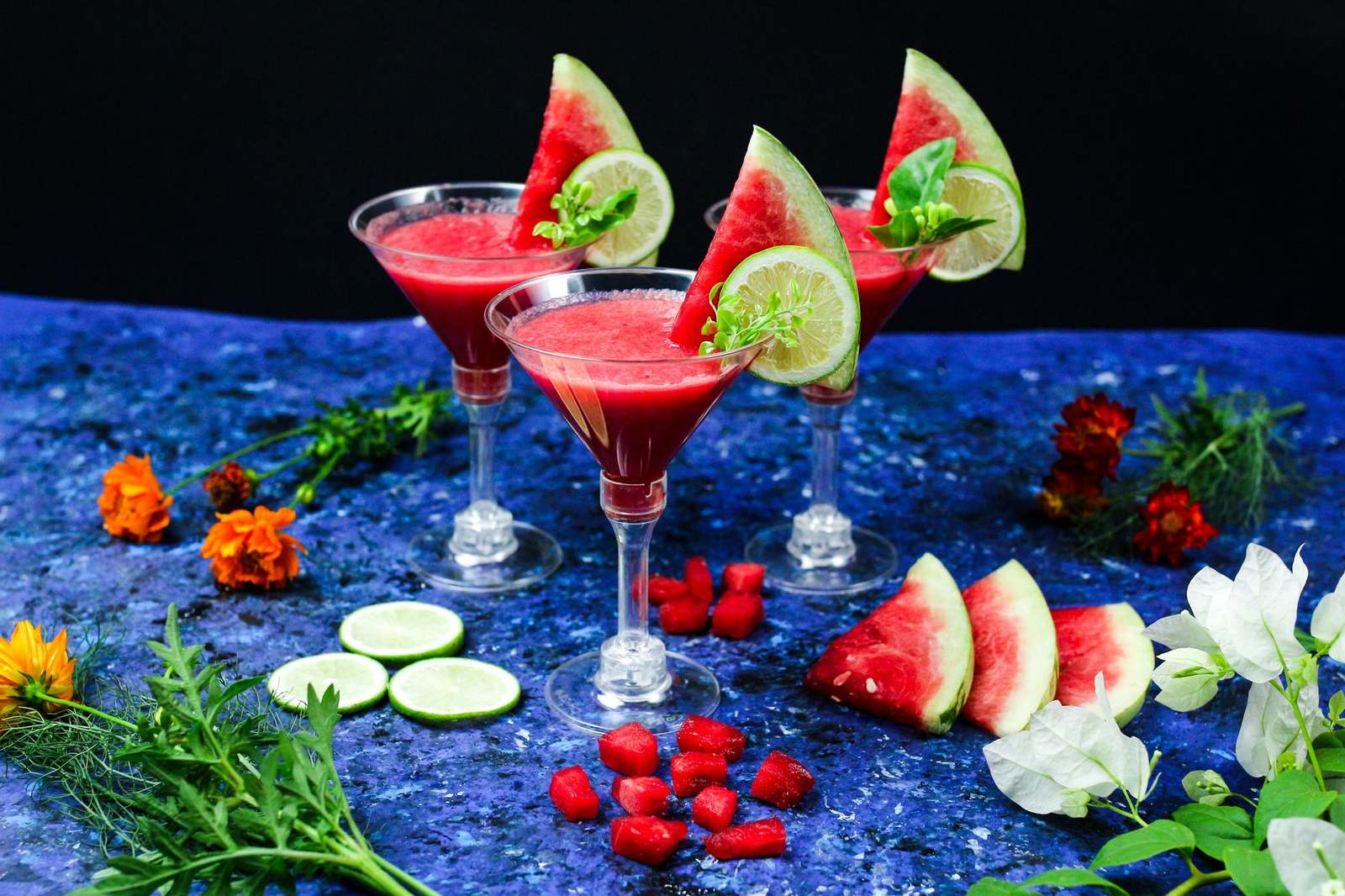
If you do reach for a low- or no-calorie sweetener, know the limits of the evidence. SDSU Extension says these sweeteners may help regulate calorie intake and blood sugar, but research is not clear on their other health impacts, especially long term.
Four mocktail recipes for a crowd
None of these need exact measuring, which makes them easy to scale up when the doorbell keeps ringing. Adjust each one to taste, and keep the fruit and herbs fresh.
Sparkling citrus spritz
- Ice
- Orange and lemon slices
- A small splash of juice
- Chilled carbonated water
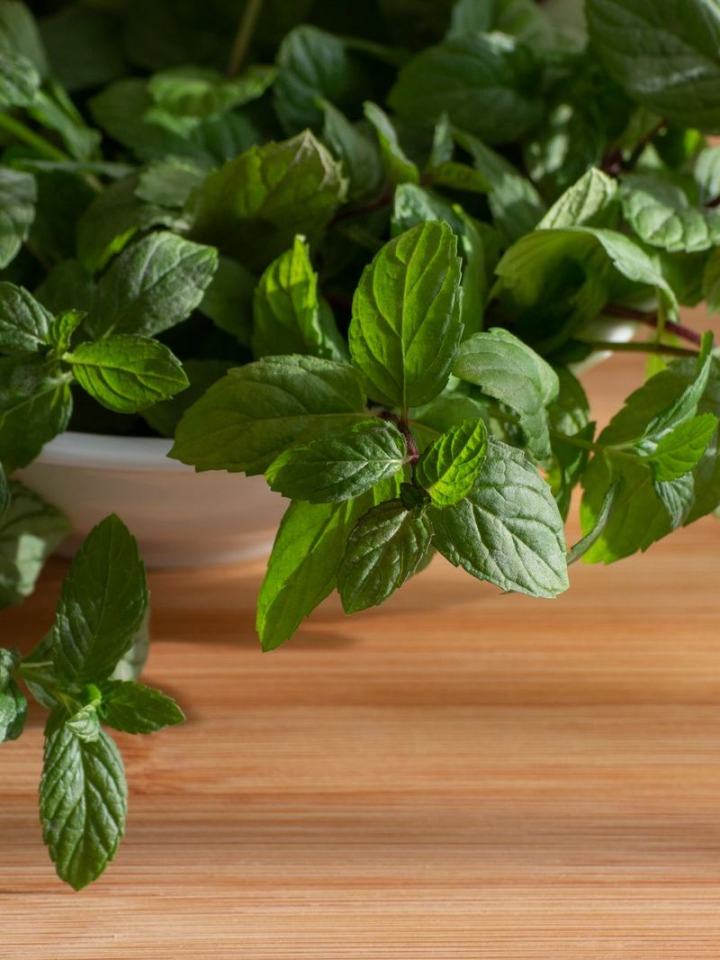
- A sprig of mint
Fill each glass with ice and citrus slices, add the splash of juice, then top with carbonated water. This follows the SDSU Extension idea of mixing 100% juice with carbonated water for a fruity, bubbly drink. Stir gently so the bubbles survive.
Berry and mint cooler
- Mixed berries
- Fresh mint leaves
- Lime slices
- Chilled carbonated flavoured water
- Ice
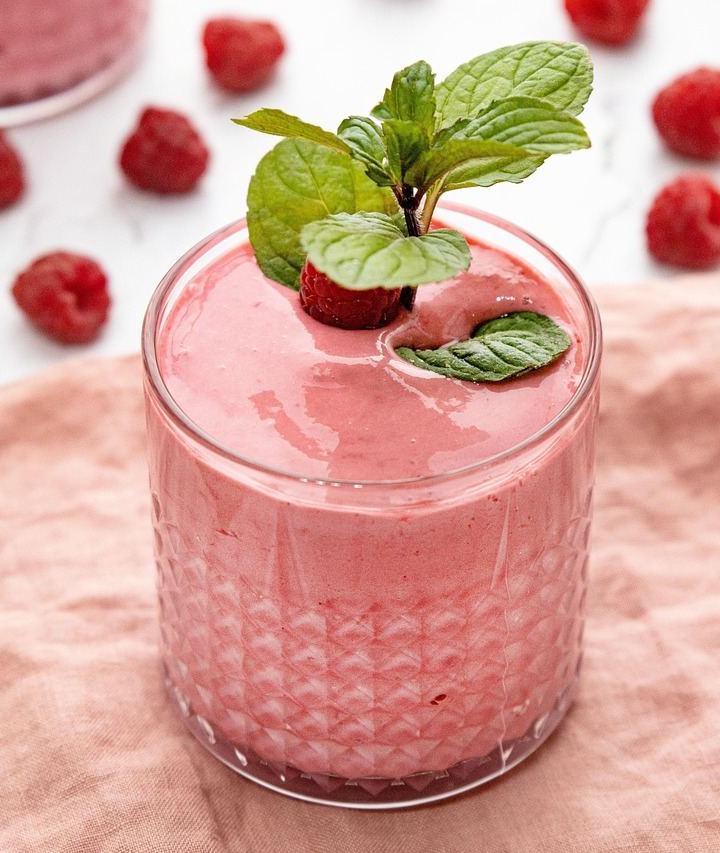
Gently press the berries and mint in the bottom of a jug, then add lime and ice. Top with the fizzy water just before serving. SDSU Extension lists berries and other juicy fruits among its flavour suggestions, and this is a colourful way to use them.
Iced tea orange sparkler
- Brewed tea, chilled
- Orange slices
- Carbonated water
- Ice
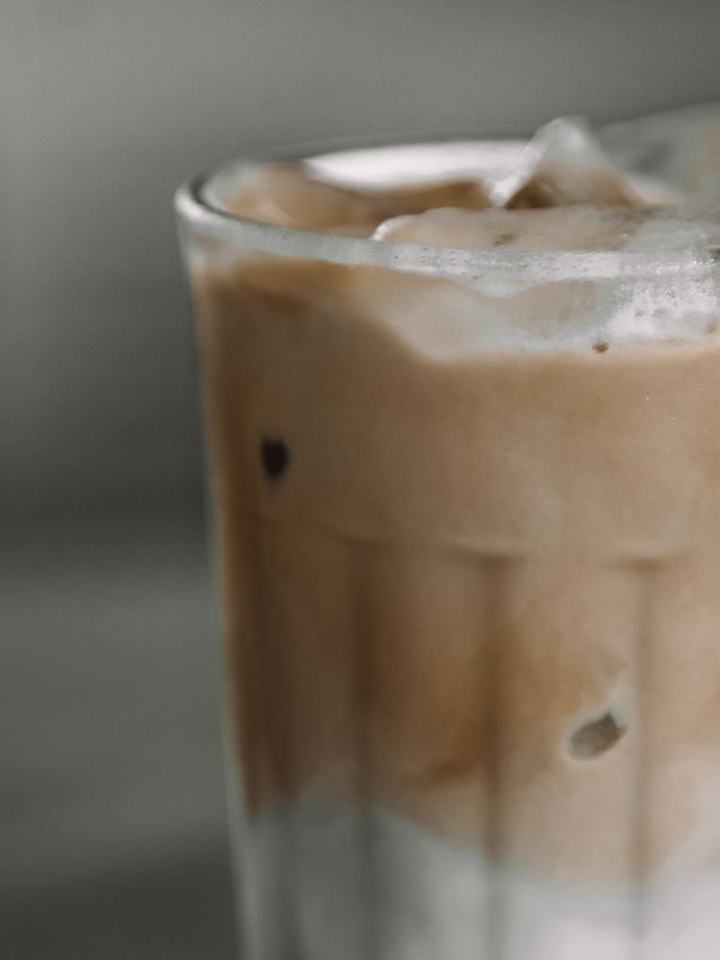
Brew the tea a little stronger than usual and let it cool completely. Pour it over ice and orange slices, then add a splash of carbonated water. Tea is one of the flavour bases that SDSU Extension mentions, and it gives the drink a grown-up depth.
Fruit and citrus water pitcher
- Cold water
- Sliced lemons and oranges
- A handful of berries
- Plenty of ice
Combine everything in a large pitcher and chill it until guests arrive. It is the simplest option on the table and a gentle default for anyone not wanting anything fancy. The Better Health Channel advises drinking plenty of water instead of drinks with added sugars.
Setting up a drink station for guests
A self-serve station keeps you out of the kitchen and lets guests build their own glass. Set it up before anyone arrives, and keep it simple.
- Line up jugs of chilled water, tea and carbonated water.
- Put out bowls of citrus slices, berries and herbs.
- Offer small jugs of juice rather than large bottles, so guests add a splash instead of a pour.
- Fill a cooler with ice and keep a scoop beside it.
- Add small cards naming each recipe so guests know what to mix.
If your gathering stretches into the morning, add a pot of coffee or a cold option; our guide to iced coffee at home covers that side of the table. When you serve a meal, our homemade salad dressing recipes are a natural companion to a bright, citrusy drink.
Finally, remember that tap water remains a good choice for hydration, according to the Better Health Channel. A visible jug of it beside the fancy options means nobody has to choose between a treat and staying hydrated.
Frequently asked questions
How can I make mocktails with less sugar?
Show answer
Use juice as an accent rather than the main liquid and let carbonated water do most of the work. SDSU Extension says that choosing the lower-calorie version of a favourite beverage can cut calorie and sugar intake nearly in half, or more.
Are diet or artificially sweetened mixers a better choice?
Show answer
Not automatically. The Better Health Channel points out that such drinks keep the habit of sweet drinking going and are acidic, whether sweetened with sugar or artificial sweeteners.
How do I serve mocktails to a large group?
Show answer
Prepare the flavoured base, such as muddled berries or chilled tea, in jugs ahead of time. Add ice and fizz only at the last moment so the drinks stay lively, and let guests top up their own glasses.
What should I look for on a bottled mixer label?
Show answer
Read the ingredient list, because sweeteners go by many names. SDSU Extension names high-fructose corn syrup, corn syrup, fructose, sucrose and dextrose as a few of the most common caloric sweeteners.