Tired of watery, bitter glasses? You can make great iced coffee at home by brewing hot coffee straight onto ice, a method called flash brew that’s ready in minutes.
For more recipes and ideas, browse our food and drink guide.
| Item | Value |
|---|---|
| Coffee for one tall glass | About 22g (4 tablespoons) |
| Hot brewing water | About 200g, around 200F |
| Ice in the carafe | About 150g |
| Overall coffee-to-water ratio | Around 1:16 |
| Flash brew time | About ten minutes |
| Cold brew steep time | 12 to 24 hours |
These figures come from the flash-brew recipe at Bean Box. Recipes and numbers can change, so check the source before you rely on them.
What is flash-brew iced coffee?
Flash brew, also called Japanese iced coffee, is a pour over brewed directly onto ice, as Bean Box describes it. Hot water pulls out the aroma and flavor of a hot cup, and the ice chills it before it can go flat.
The result is quite different from leftover coffee chilled in the fridge, which tends to taste muted and slightly stale. If you drink your coffee black, you will notice how much character survives the ice.
Black Oak Coffee Roasters adds that the hot water extracts more acids than a cold steep would. That makes the method a good match for light roasts with delicate, distinctive aromatics.
Flash brew versus cold brew
The two methods differ mainly in time and temperature. Cold brew steeps grounds in cold water for 12 to 24 hours according to Bean Box, while Ozone Coffee gives 12 to 18 hours and says flash brew is ready in minutes.
- Flash brew: bright, aromatic and crisp, and best enjoyed black or with a touch of sugar.
- Cold brew: smooth, low-acid and mellow, but a project you start the night before.
Black Oak offers a simple rule of thumb: if you want a full-bodied, low-acid glass that takes milk or cream well, cold brew is the way to go. If you prefer light-roast single origins and drink them black, flash brew is the better fit.
Picking coffee and ice
Start with a full-bodied coffee so the ice does not thin it into nothing, which is the advice from Bean Box. Here is how that source matches beans to the glass you want:
- A medium roast from Guatemala, El Salvador, Costa Rica or Honduras gives a sweet, creamy, chocolatey cup.
- An Ethiopian or Kenyan coffee gives a bright, tea-like glass with fruit notes.
- The darkest roasts can turn ashy and flat once chilled, so go easy on them.
Ozone Coffee points the same way, recommending light to medium roasts with fruity or floral notes.
Ice matters as much as the beans. Big, fresh cubes melt slower and dilute less than small freezer-burned ones, says Bean Box. Ozone also brews over reusable stainless steel or food-safe plastic cubes, which chill the coffee without diluting it, while Black Oak suggests about 40% the amount of ice as water when using regular cubes.
A simple flash-brew recipe
The idea is to keep the hot-cup ratio and count the ice as part of your water, since it melts into the drink. For one tall glass, Bean Box uses about 22g of coffee (4 tablespoons) ground a touch finer than usual, about 200g of water around 200F, and about 150g of ice.
- Put the ice in your carafe or mug first.
- Set up a pour over such as a Hario V60 or Chemex, with a filter and your ground coffee.
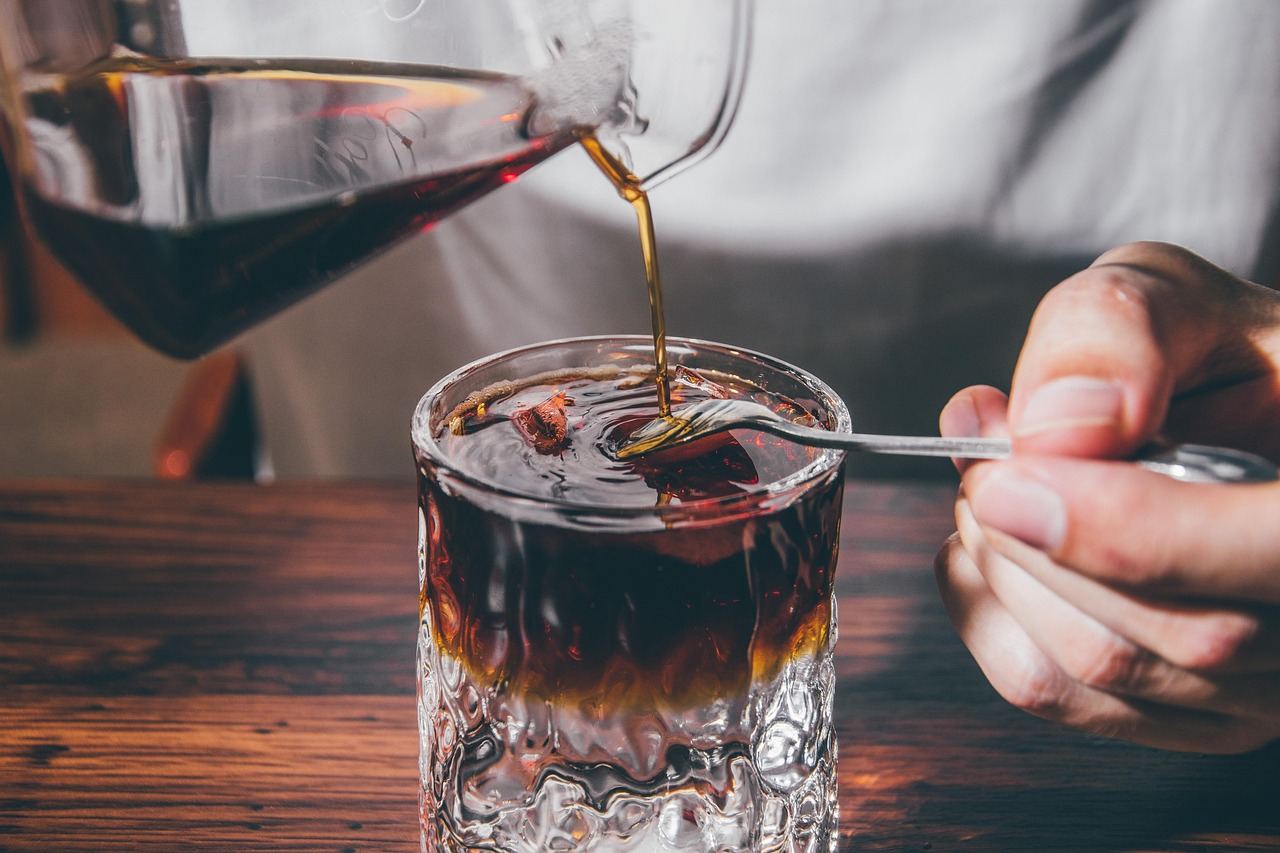
- Pour the hot water over the coffee so it drips directly onto the ice and chills the instant it lands.
- Give it a quick stir and drink it right away, while it is cold and aromatic.
Add it up and the 22g of coffee meets about 350g of total water, the 200g you brew plus the 150g of melting ice. That lands right around a 1:16 ratio, the same as a good hot cup, per Bean Box.
If you like a stronger glass, Black Oak brews 30g of medium-ground coffee with 300g of water at 200°F into a container holding 120g of ice. It works to a 1:10 brew ratio, then pours the result over more ice.
How do you fix watery or bitter iced coffee?
Most problems come down to dose, grind and ice. These tips from Bean Box cover the usual culprits:
- Use a scale. Iced coffee is less forgiving than hot, so weighing keeps it from going weak or harsh.
- Brew strong, not long. If the glass tastes watery, add coffee rather than brewing longer, because extra time only adds bitterness.
- Taste before sweetening. A splash of milk or a little simple syrup is lovely, but try it black first.
On grind, Black Oak says a medium setting works best, made finer if the brew is too weak, or coarser if it is too bitter. The same source notes you can refrigerate the finished coffee and enjoy it over fresh ice during the next few days.
Turning it into other cold drinks
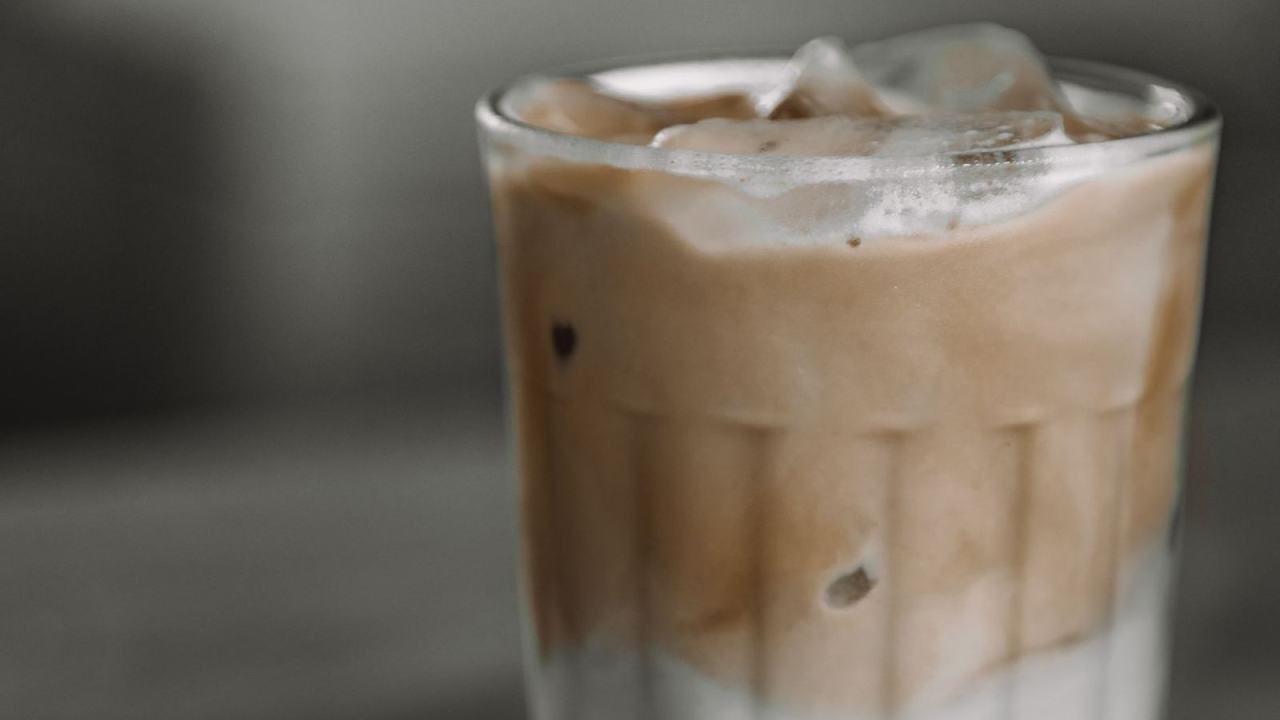
A cold brew concentrate makes an easy base for an iced latte. Trade Coffee’s educator suggests you shake ice and milk together for a frothy texture and pour that over the concentrate.
When you want a fruit-forward alternative on a hot day, try our smoothie recipes. For guests who skip caffeine and alcohol alike, our mocktail recipes are a good next stop.
Frequently asked questions
Can I use regular ice instead of reusable cubes?
Show answer
Yes. Ordinary cubes work fine, but they melt into the cup, so use a little more coffee for the same amount of water, as Ozone Coffee advises.
Why does my iced coffee taste weak even when I follow a recipe?
Show answer
Check how much ice is in the container. Black Oak warns that piling in too much ice can leave the coffee over-diluted.
Do I need a special brewer?
Show answer
No. A Kalita Wave, V60, Chemex or AeroPress all work, according to Ozone Coffee. Whichever you pick, chill the coffee quickly.
Does flash brew have more caffeine than cold brew?
Show answer
Sources disagree a little. Ozone says caffeine depends on dose, ratio and brew time, so recipe matters more than method, while Volcanica Coffee says cold brew generally has more.
How long does homemade cold brew keep?
Show answer
Kept in the fridge, a batch of concentrate can stay fresh for up to a week, according to Volcanica Coffee. All you need to make it is a jar or French press plus something to strain with.