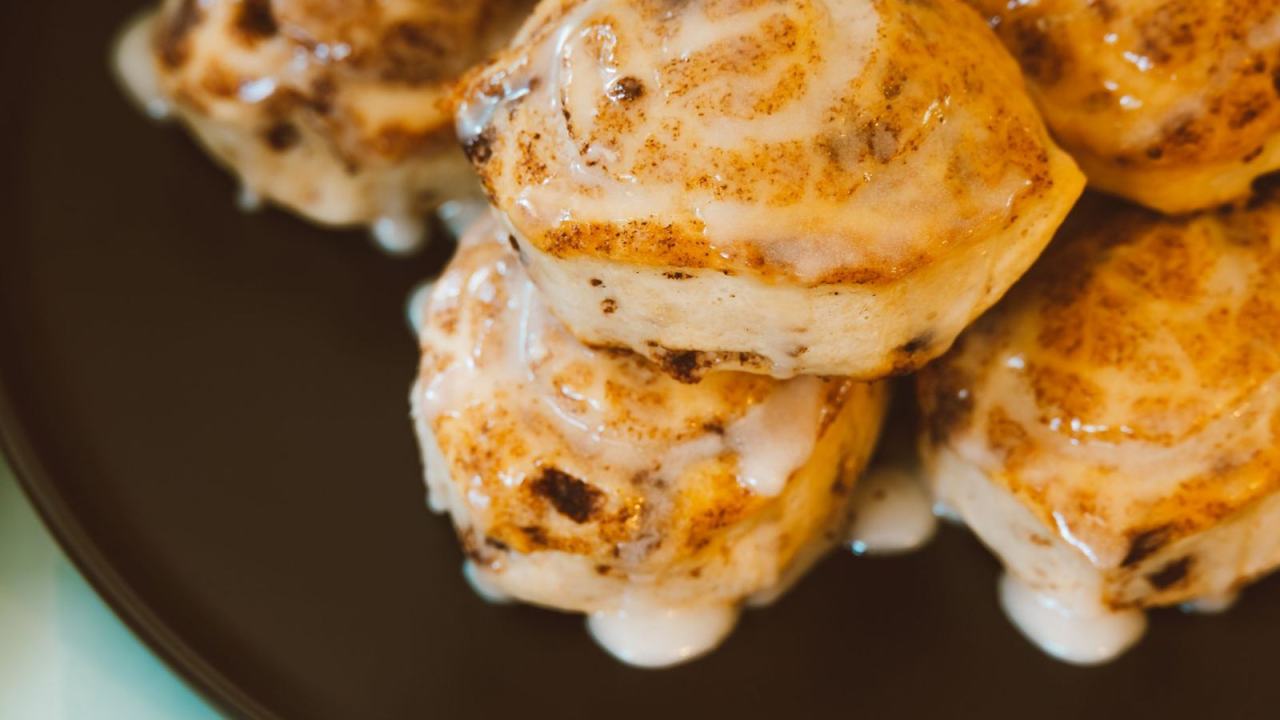
Want soft cinnamon rolls that stay soft past breakfast? This cinnamon rolls recipe guide shows what keeps dough tender, how a shortcut gets rolls out the same morning, and what to skip.
Browse more baking recipes on the site when you want your next project.
| Item | Value |
|---|---|
| Shortcut recipe yield | 12 rolls |
| Shortcut hands-on time | 20 mins |
| Shortcut bake time | 20 to 25 mins |
| Shortcut total time | 1 hr 55 mins |
| Milk temperature for the shortcut dough | 120°F to 130°F |
| Time to make a dozen with a mix | Under two hours |
These figures come from King Arthur Baking’s Shortcut Cinnamon Rolls recipe. Recipe pages get revised, so check that page before you rely on the times and temperature.
Why fresh cinnamon rolls turn dry so fast
A homemade cinnamon roll is at its best almost immediately. In a blog post dated July 10, 2016, a King Arthur Baking author compared rolls to a young star who fades quickly, saying most cinnamon rolls hit their peak of perfection 5 minutes out of the oven. Once cooled, the post says, they become a semi-tough white roll covered in too much bland white icing.
The stated goal of that post was a roll that is soft, moist and delicious hot from the oven and for several days thereafter. It is a good target for you as well: judge any recipe by how it eats the next day, not only straight from the pan.
The same problem sat behind the 2021 Recipe of the Year. A post from January 4, 2021 describes the challenge as a roll with excellent flavor and a texture that stays stable for days rather than hours.
What the test kitchen credits for lasting softness
According to the 2021 announcement, the team tested and re-tested until it identified certain key ingredients and steps that contribute to long-lasting softness. The post also asks how the resulting Perfectly Pillowy Cinnamon Rolls stay soft for days without the chemical preservatives used in store-bought packaged cinnamon rolls.
The first secret it lists is tangzhong, described as a technique popular across Asia with origins in Japan’s yukone (or yudane). This guide does not reproduce the method, so read it on the original recipe page rather than guessing at the steps.
A follow-up dated March 10, 2021 adds that the team spent almost a whole year developing that recipe. When you compare recipes, look for these signs of a soft-roll design:
- A stated goal of softness that lasts for days, not just hours.
- A named softening technique, such as tangzhong, with the method explained.
- Evidence of repeated testing instead of a single lucky batch.
Does less sugar make softer rolls?
A test-kitchen post from May 7, 2010 offers a theory: sugar is hygroscopic, so it attracts water and may pull moisture out of the dough. The author reasoned that the less sugar in and on the dough, the more liquid remains in it, and the more tender and moist the buns should be. The same post invites food scientists to correct the reasoning, so treat it as one baker’s working theory rather than settled fact.
The post also notes where the sugar sits: almost all of it, it says, is in the confectioners’ sugar glaze spread on top after baking. The author then tried leaving most of the sugar out of the dough and using plain cinnamon instead of cinnamon-sugar on the rolled-out dough, and liked the result.
If you plan to change the sugar or any other ingredient, check the guide to baking substitutions first so you know what each swap can do to the dough.
A shortcut cinnamon rolls recipe for busy mornings
Not every day allows for a long project. King Arthur’s Shortcut Cinnamon Rolls page says you can make a dozen soft and squishy cinnamon rolls in under two hours using its bun and roll mix. The listed times are 20 mins of hands-on work, 20 to 25 mins of baking and 1 hr 55 mins in total, for 12 rolls.
The dough starts with hot but not boiling milk, listed at 120°F to 130°F, plus unsalted butter at room temperature and a little light brown sugar. The filling combines reserved dry mix, light brown sugar and ground cinnamon. The page calls the rolls an ideal project for novice bakers or anyone craving a low-effort treat.
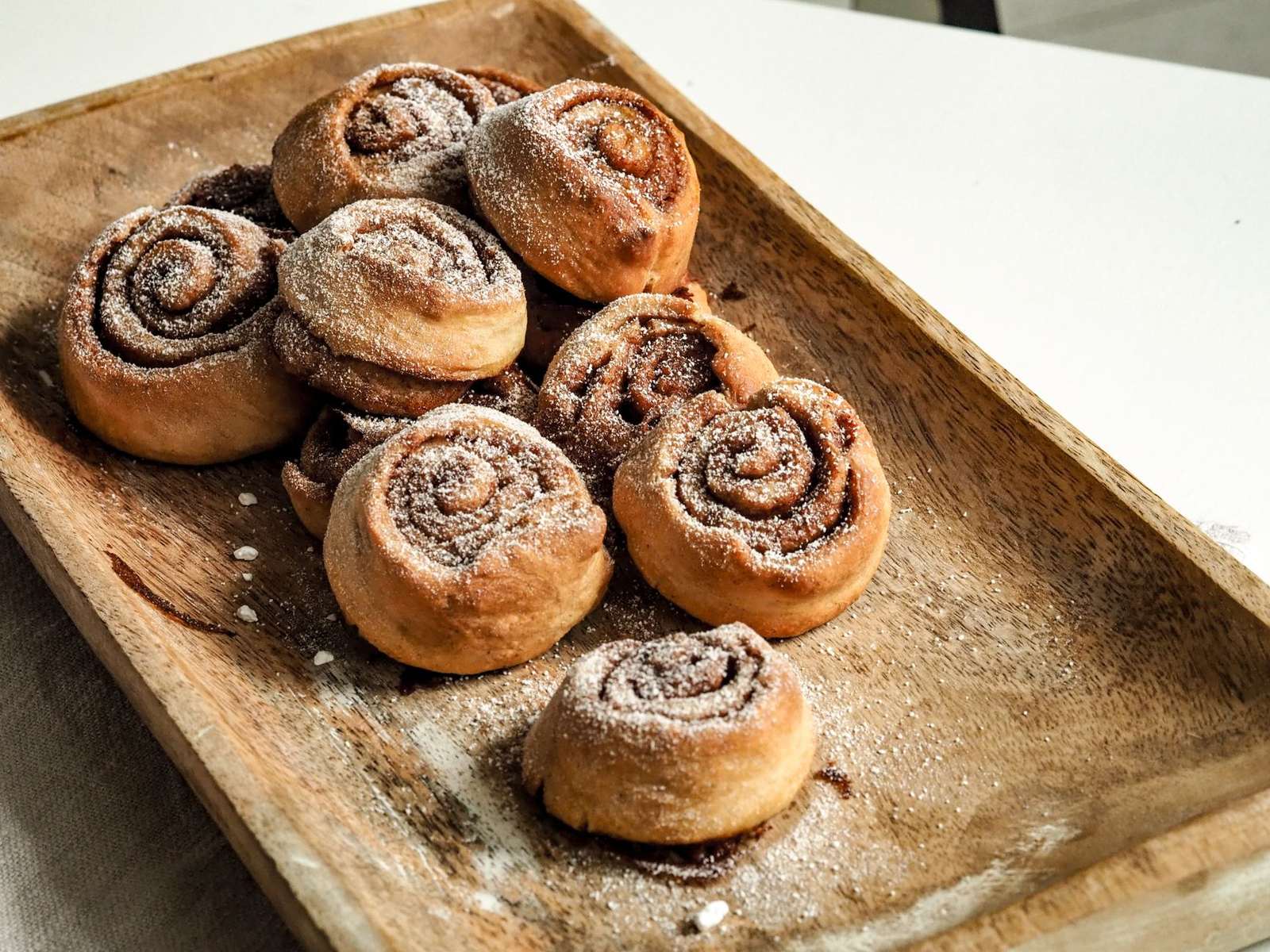
A mix trades control for speed, so a mix-based roll is not the same project as the long-keeping recipe described above. If yeast dough is new to you, a savory bake such as homemade pizza dough is another way to practice handling it before you attempt a sweet one.
Small habits that make the bake easier
The March 10, 2021 tips post says some of its tips are kitchen shortcuts, like how to only dirty one bowl instead of two. Its first tip is to melt the butter in the same bowl you use for the filling, because nobody enjoys extra dishes.
The post is candid that the tips will not make or break the recipe, since the recipe is designed to succeed on its own. Use them as optional upgrades:
- Melt the butter in the filling bowl to save washing up.
- Treat extra tips as upgrades, not requirements.
- Follow the tested recipe’s quantities and times rather than improvising on a first attempt.
Frequently asked questions
Why do homemade cinnamon rolls get hard so quickly?
Show answer
One test-kitchen theory blames sugar, which pulls in water and may leave the dough drier, as described in the 2010 post. Softening techniques such as tangzhong, used in the 2021 recipe, aim at the same problem from another angle.
Can I bake cinnamon rolls the same morning?
Show answer
Yes, if you start from a mix. The shortcut recipe page says those rolls can be baked and enjoyed the very same morning.
Does this guide replace a full recipe?
Show answer
No. It explains the ideas behind soft rolls and does not give scratch-dough quantities or rise times. For exact amounts, open the full recipe pages linked above and follow them as written.